If you want a Boston neighborhood that feels rooted in history without giving up the rhythm of daily city life, Charlestown stands out right away. You may be drawn to its older homes, its waterfront setting, or its easy connection to the rest of Boston, but the real appeal is how those pieces work together. When you understand what Charlestown offers, it becomes easier to picture whether it fits your lifestyle, budget, and long-term goals. Let’s dive in.
Why Charlestown Feels Distinct
Charlestown is Boston’s oldest neighborhood, founded in 1629. That history still shows up in the built environment, from older row houses to major landmarks that shape the neighborhood’s identity.
At the same time, Charlestown is not just a place people visit for history. City sources describe it as a lived-in residential neighborhood where historic character coexists with modern housing, everyday businesses, and ongoing public investment.
Historic Homes Define The Setting
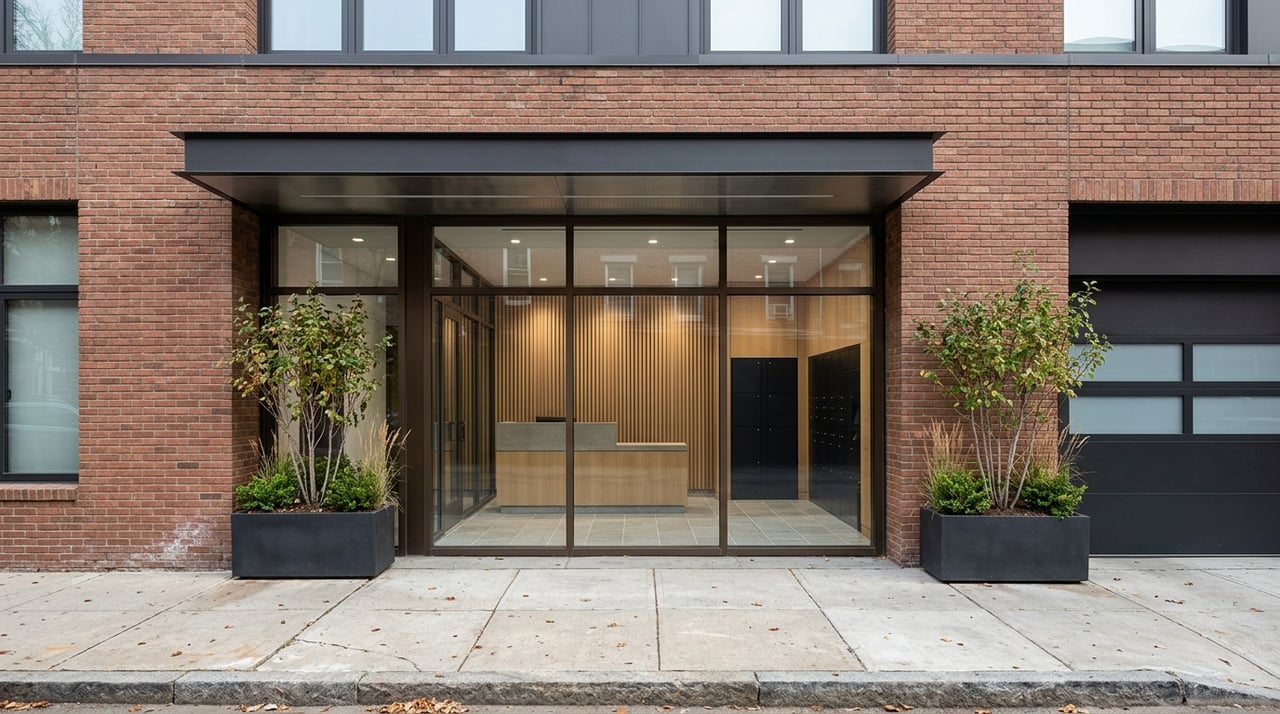
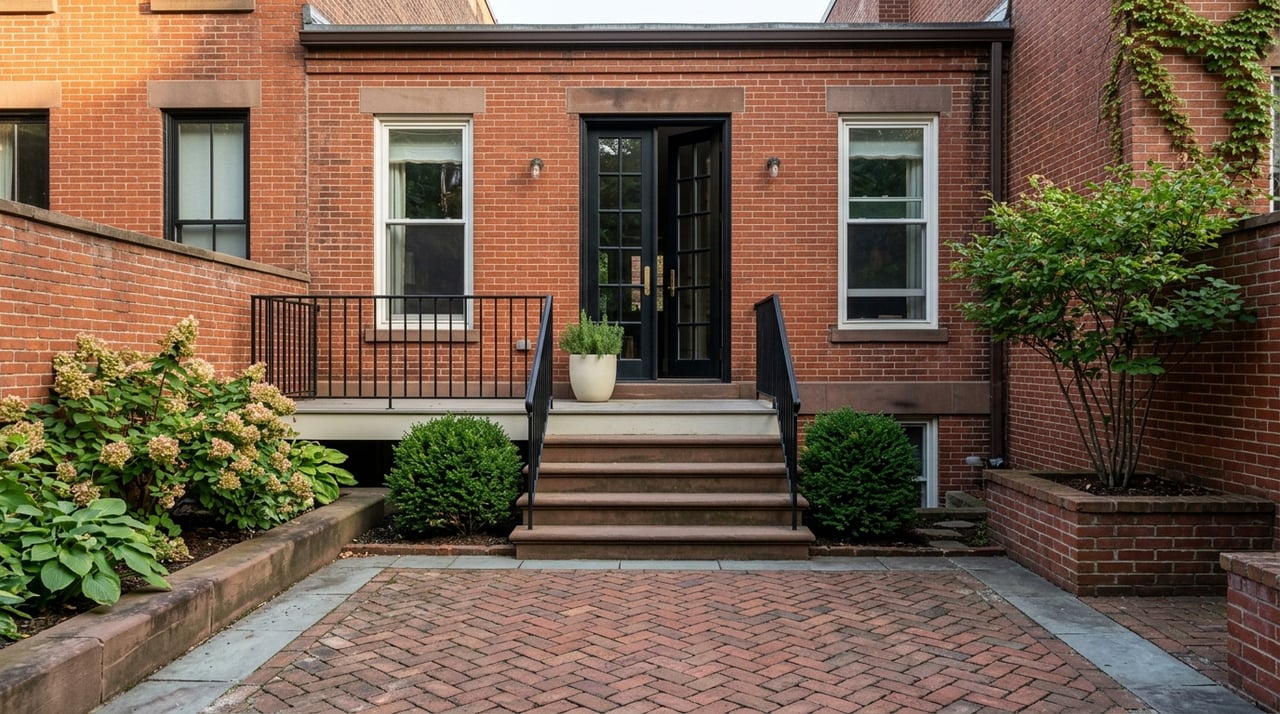
One of Charlestown’s biggest draws is that its housing stock is not one-note. City planning materials describe brick and wood-framed row houses across a hilly landscape, while other studies point to cohesive residential areas that developed from the late 18th century into the early 20th century.
That means you are not looking at a neighborhood where every block feels the same. Instead, Charlestown offers a mix of historic forms and streetscapes that can appeal to buyers who want character, variety, and a strong sense of place.
A Range Of Historic Architecture
Charlestown’s historic housing includes more than classic row houses. Landmark studies identify examples such as a Federal-style dwelling known as the Apollos Field House and the Greek Revival Swallow Mansion at 33 Cordis Street.
Monument Square study materials also reference rows of 19th-century brick townhouses. Together, these examples show why Charlestown often appeals to buyers who value architecture and older-home detail, while still wanting to stay in Boston.
Not Every Home Is The Same Style
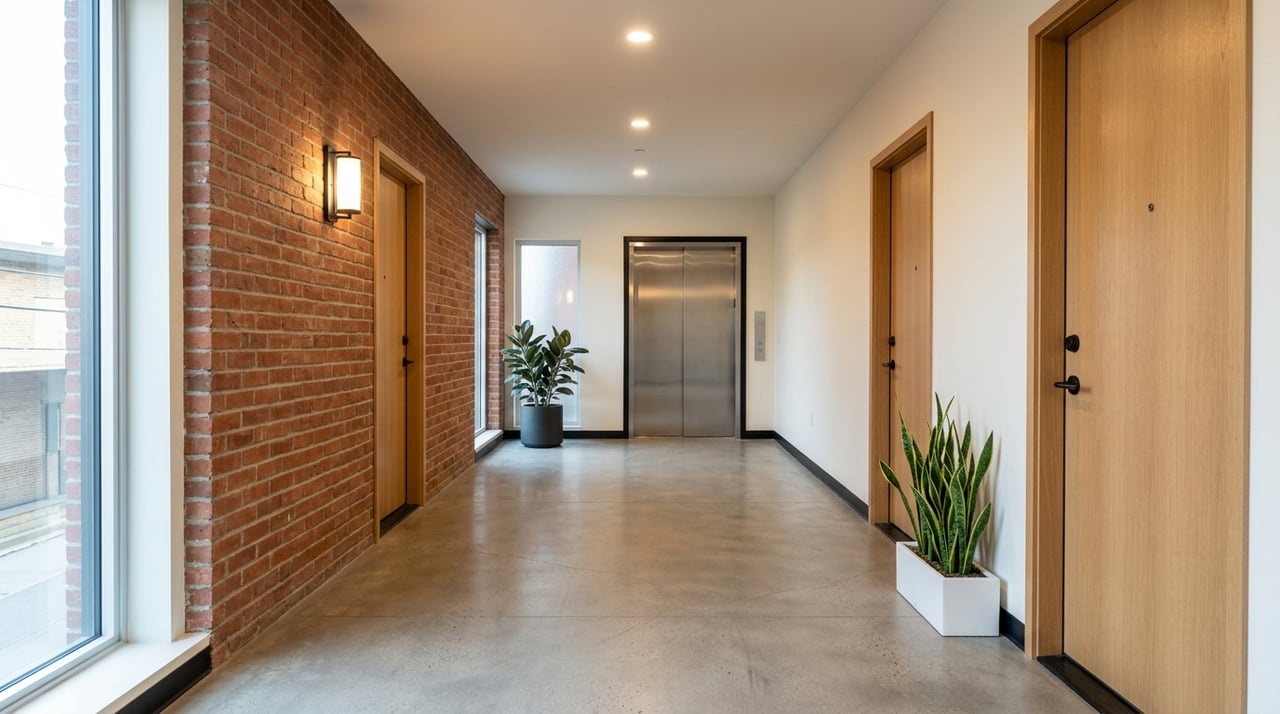
It helps to think of Charlestown as a neighborhood with layers rather than a single historic look. Some homes reflect earlier domestic styles, while others fit later townhouse streetscapes or newer residential development near the waterfront.
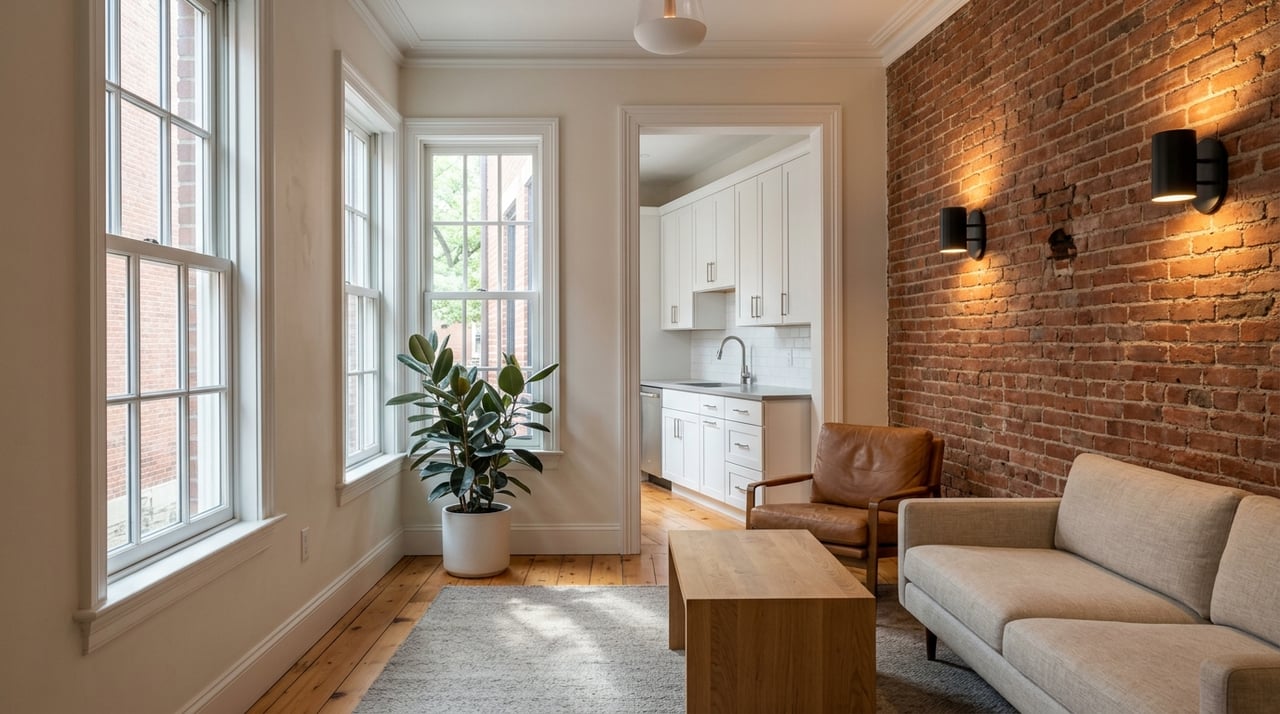
That range matters if you are starting a home search here. You may be comparing traditional row houses, updated condos, apartments, or waterfront residences, all within the same neighborhood.
Modern Living Fits Into The Historic Fabric
Charlestown’s appeal is not just about preservation. It is also about how older buildings and historic settings continue to support modern residential life.
A strong example is the Charlestown Navy Yard. After the Navy Yard closed in 1974, the federal government set aside 30 acres as a national historic site, while the remaining acreage became privately owned. The National Park Service notes that private companies lease buildings in the Historic Monument Area and can renovate interiors, showing how historic exterior character can exist alongside contemporary uses.
Preservation Is Active, Not Static
Charlestown is not frozen in time. Preservation and planning are active parts of how the neighborhood evolves.
The Monument Square Landmark District remains under study, with public meetings and engagement continuing through mid-2026. Boston describes the effort as a way to preserve historic character while allowing context-sensitive new development in appropriate places.
For buyers and sellers, that is useful context. It shows that Charlestown’s historic feel is being managed thoughtfully, not left to chance.
Everyday Convenience In Charlestown
Historic charm only goes so far if daily life feels difficult. Charlestown works for many residents because the neighborhood also offers practical conveniences close to home.
Boston’s neighborhood materials describe local shops and restaurants along Main Street and in City Square, and city planning documents identify Main Street and Bunker Hill Street as key commercial corridors. In simple terms, that means you can enjoy older streets and architecture without feeling cut off from routine errands, dining, or neighborhood activity.
Local Amenities That Support Daily Life
Charlestown also has public facilities that add real day-to-day value. BCYF Charlestown at 255 Medford Street includes a community room, computer lab, gymnasium, fitness center, and indoor pool.
The neighborhood also has BCYF Clougherty Pool as a seasonal outdoor pool. The Boston Public Library’s Charlestown branch at 179 Main Street offers an accessible entrance, computers, printing and scanning, laptops, reservable community space, and Wi-Fi.
These are the kinds of features that can make a neighborhood feel easier to live in over time. They support routines, not just weekend plans.
Parks And Waterfront Space Add Balance
For an urban Boston neighborhood, Charlestown has a notable network of parks and open space. Boston’s parks inventory includes John Harvard Mall, Menino Park, Doherty Playground, Leo F. McCarthy Playground, Peter Looney Park, Ryan Playground, Barry Playground, and more.
Menino Park is a standout example of Charlestown’s modern convenience meeting its waterfront location. The city describes it as a waterfront space with dock viewing, playground features, seating, spray play, and an accessible harborwalk with views of Boston Harbor and downtown.
Ongoing Investment In Public Spaces
Charlestown is not relying only on long-established amenities. Boston’s 2025 progress report highlights continued work in mobility, parks, housing, historic preservation, public facilities, arts and culture, and jobs and business.
The same report specifically notes the $25 million Ryan Playground improvement project launched in December 2024. For anyone thinking about buying in Charlestown, that is a reminder that neighborhood convenience is still being strengthened.
Transit And Connectivity Matter Here
For many Boston buyers, convenience starts with how easily you can get around. Charlestown has strong connections by ferry, bus, and nearby subway access.
The MBTA’s Charlestown Ferry runs year-round between Long Wharf South and the Navy Yard, with about a 10-minute ride across Boston Harbor. The Navy Yard terminal also connects to bus route 120 for Blue Line access at Maverick.
Orange Line Access Nearby
Charlestown also benefits from Orange Line access at its edges. MBTA station listings include Sullivan Square and Community College, which are both relevant for neighborhood access.
That is an important point if you are comparing Charlestown with other Boston neighborhoods. It offers transit options without feeling isolated from the rapid-transit system.
Future Mobility Improvements
Connectivity is also part of the city’s long-term planning. Boston’s Rutherford Avenue and Sullivan Square design project aims to complete preliminary design for that corridor.
City planning tied to PLAN: Charlestown also emphasizes better connections within the neighborhood and to surrounding areas through transit, walking, and biking improvements. For buyers who think beyond the next year, that kind of planning can shape how the neighborhood functions over time.
What This Means For Buyers
If you are considering Charlestown, it helps to look at the neighborhood through two lenses at once. First, there is the housing itself, which can include historic row houses, brick townhouses, older architectural styles, and waterfront condos.
Second, there is the lifestyle piece. Main Street, City Square, parks, the library, BCYF facilities, nearby Orange Line stations, and the Charlestown Ferry all add convenience that supports daily living.
That combination is a big reason Charlestown stays on the radar for Boston buyers. You can prioritize charm and neighborhood identity without necessarily sacrificing access or amenities.
What This Means For Sellers
If you own property in Charlestown, your home may appeal to buyers for more than one reason. Some buyers are drawn to historic character, architectural detail, or established streetscapes, while others are focused on commuting options, public amenities, and waterfront access.
That is why pricing and positioning matter. A strong listing strategy should reflect both the property itself and the broader lifestyle advantages that Charlestown offers.
Why Local Guidance Helps In Charlestown
Charlestown has a layered housing story. Historic homes, adaptive reuse, preservation planning, waterfront development, and neighborhood amenities all shape how buyers see value here.
If you are buying or selling in Charlestown, it helps to work with someone who can explain how those neighborhood details connect to your goals. Whether you are comparing property types, planning a move within Boston, or preparing to list, clear guidance can make the process feel much more manageable.
If you are thinking about buying or selling in Charlestown, Marcella Sliney can help you navigate the process with straightforward advice, responsive communication, and local Boston market insight.
FAQs
What types of homes can you find in Charlestown, Boston?
- Charlestown includes brick and wood-framed row houses, historic townhouses, Federal and Greek Revival examples, apartments, and waterfront condominiums.
What makes Charlestown feel historic compared with other Boston neighborhoods?
- Charlestown is Boston’s oldest neighborhood, founded in 1629, and its identity is reinforced by historic housing, the Bunker Hill Monument, the U.S.S. Constitution, and the Charlestown Navy Yard.
What everyday conveniences are available in Charlestown, Boston?
- Charlestown offers shops and restaurants along Main Street and in City Square, public library services, BCYF facilities, neighborhood parks, and seasonal and indoor pool access.
How is transit access in Charlestown for Boston commuters?
- Charlestown has year-round ferry service between the Navy Yard and Long Wharf South, bus connections, and nearby Orange Line access at Sullivan Square and Community College.
Are there ongoing improvements happening in Charlestown, Boston?
- Yes. City reporting highlights continued investment in mobility, parks, housing, historic preservation, public facilities, arts and culture, and business, including the Ryan Playground improvement project.