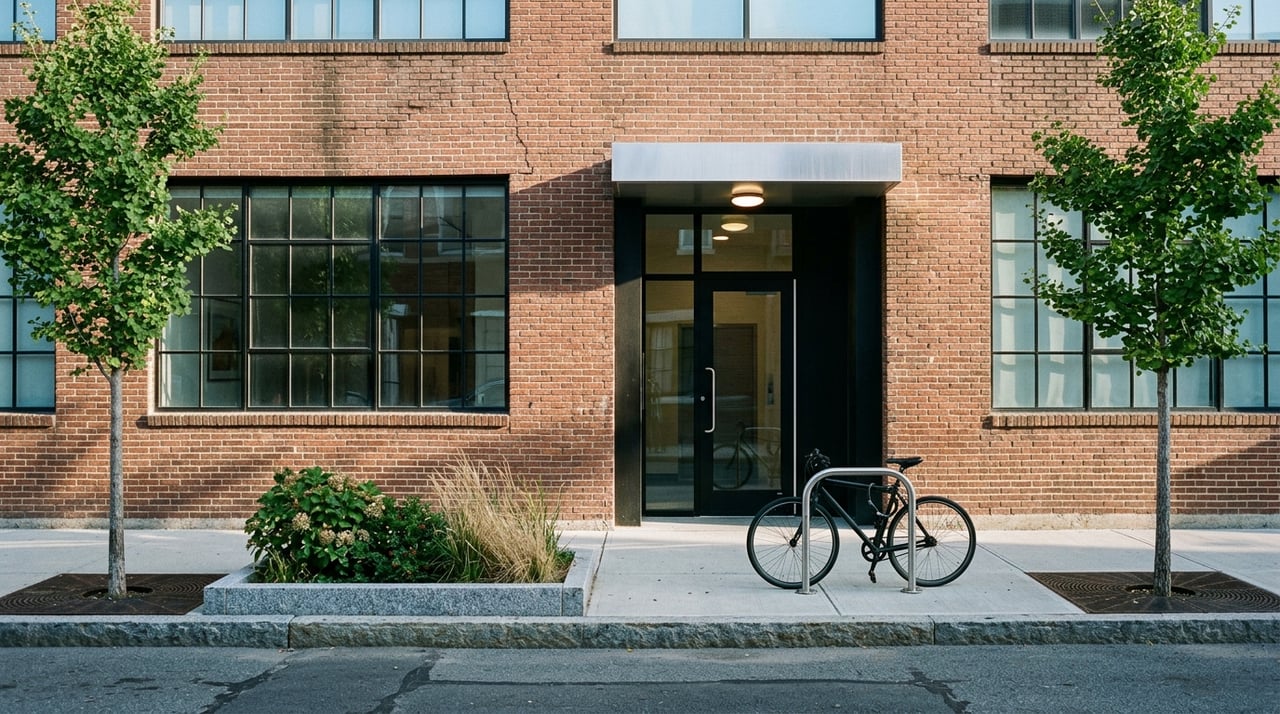
If you want city living without the daily cost and hassle of owning a car, the South Boston Waterfront deserves a close look. This part of Boston was built around short trips, public space, and multiple ways to get around, which makes it especially appealing if you value convenience and flexibility. Whether you are buying your first condo or searching for a home that fits a more walkable lifestyle, this guide will show you what car-free living really looks like here. Let’s dive in.
Why car-free living works here
The South Boston Waterfront is one of the easier places in Boston to manage daily life without relying on a private car. The area is compact, mixed-use, and designed to support walking, biking, and transit for routine errands and commuting.
Boston has added pedestrian wayfinding signs throughout the Waterfront to make it easier to walk between major destinations. The city notes that these signs cover areas from Flynn Cruiseport to South Station and from the BCEC Lawn on D to the Moakley Courthouse, helping residents and visitors move through the district more confidently on foot.
That pedestrian-friendly setup is reinforced by nearby transportation infrastructure. Massport’s South Boston Waterfront Transportation Center sits close to the waterfront and near the BCEC, Leader Bank Pavilion, shops, restaurants, hotels, and the MBTA Silver Line. It also includes bike storage and public restrooms, which adds a practical layer to a car-light routine.
Getting around without a car
If you live in the South Boston Waterfront, you have several realistic ways to get around. For many households, that means a car becomes optional instead of essential.
Silver Line access
The MBTA Silver Line is one of the biggest reasons car-free living works in this location. According to the City of Boston, Silver Line routes 4 and 5 connect Dudley Square to Downtown, the Seaport, and South Station, giving you a direct link to one of Boston’s main transit hubs.
That matters in daily life because South Station opens up connections to the rest of the city and beyond. If your work, appointments, or social plans take you outside the neighborhood, the Silver Line helps keep those trips simple.
Commuter ferry option
The commuter water shuttle adds another useful choice, especially if you like having alternatives during the workweek. The City of Boston says the service operates from Pier 10 in Raymond L. Flynn Marine Park and connects the South Boston Waterfront to Fan Pier and North Station.
It runs Monday through Friday year-round during morning and evening commute periods, with a $5 fare per ticket. For some residents, that can make part of the commute feel more flexible and less repetitive than a car trip.
Bluebikes and bike routes
Bluebikes gives you a practical option for short trips, one-way errands, and quick rides to nearby destinations. Boston describes Bluebikes as public transportation by bike, with more than 5,600 bikes and nearly 600 stations across the system.
One of the best parts of Bluebikes is the flexibility. You can pick up a bike near home and return it to any open dock, which is useful when your day does not begin and end in the same place.
The Harborwalk also supports bike access along the waterfront. Bluebikes highlights stations at Fan Pier, Seaport Square, and the Seaport Hotel, and describes the Harborwalk as a public walkway and bike path lined with parks, public art, cafés, and water views.
Walkable daily errands
A car-free lifestyle only works if your basics are close by. In the South Boston Waterfront, many everyday needs can already be handled on foot.
Trader Joe’s at 44 Thomson Place gives residents a walkable grocery option in the Fort Point and Seaport area. CVS at 91 Seaport Boulevard adds pharmacy services, household goods, and quick convenience purchases nearby.
The grocery picture may keep improving as the area evolves. Whole Foods Market announced in May 2026 that it signed a lease for a Daily Shop location at 111 Harbor Way in Boston’s Seaport district, with an opening date still to be announced.
This matters if you are buying with lifestyle in mind. Easy access to groceries, pharmacy items, and daily essentials can make a neighborhood feel much more functional when you are not planning your week around parking or driving.
Dining and lifestyle convenience
The South Boston Waterfront is not just convenient for necessities. It also supports the kind of lifestyle many buyers want when they choose an urban neighborhood.
Boston’s wayfinding program points people toward dining, museums, event spaces, and MBTA connections across the district. Bluebikes’ Harborwalk guide also highlights waterfront cafés and public art, which shows how recreation and routine errands often blend together here.
In practical terms, that means your day can stay local. You may be able to grab groceries, meet a friend for coffee, take a walk along the water, and head to transit without needing to get behind the wheel.
Parks and recreation nearby
If you are trying to picture everyday life here, open space is a big part of the story. The South Boston Waterfront offers access to parks, waterfront paths, and recreation options that support a more active routine.
Martin’s Park at 64 Sleeper Street is described by the City of Boston as a climate-resilient and inclusive park for children, families, and visitors of all abilities. It is a useful example of how public space in this area is designed to serve both residents and visitors.
Moakley Park adds even more variety, with athletic fields, basketball, pickleball, playgrounds, spray play, street hockey, and tennis. The city’s current plans also call for upgraded fields, more planting, community gathering spaces, and a landscaped multiuse path with harbor views.
For fitness, BCYF Curley in South Boston offers a fitness studio, yoga and dance studio, cardio space, strength training area, steam rooms, saunas, and more. The city also notes that the Curley sits on the beach and provides year-round recreation.
What buyers should keep in mind
If you are considering buying in the South Boston Waterfront, it helps to think beyond the listing photos. A car-free or car-light lifestyle depends on how you actually live day to day, including where you work, how often you travel, and what conveniences matter most to you.
This neighborhood is especially appealing if you want access to transit, walkable errands, waterfront recreation, and a dense mix of amenities. It can be a strong fit for buyers who value flexibility and want a home base where many routine trips do not require driving.
It is also worth understanding that this is an actively managed coastal district. Boston’s Resilient Boston Harbor plan highlights resilient, accessible open spaces and prepared buildings in South Boston, with Moakley Park and Fort Point Channel included in the area’s flood-protection and accessibility strategy.
That means the public realm is still evolving. In many ways, that is a positive for buyers, because it reflects ongoing investment in how people move through and use the neighborhood.
A practical car-free routine
For most households here, car-free living is less about giving something up and more about having choices. Walking covers many short trips, Bluebikes helps with flexible point-to-point travel, the Silver Line connects you to South Station and downtown, and the commuter ferry adds another option during the workweek.
If you want occasional vehicle access, Massport’s South Boston Waterfront Transportation Center provides public parking as a backup. Still, the bigger takeaway is simple: in this part of Boston, a car often feels optional rather than necessary.
If you are weighing a move to the South Boston Waterfront, the right home is not just about square footage or finishes. It is also about how the neighborhood supports your everyday routine. If you want help finding a home that fits your commute, budget, and lifestyle goals, connect with Marcella Sliney.
FAQs
Is the South Boston Waterfront good for car-free living?
- Yes. The neighborhood supports car-free or car-light living with walkable errands, Bluebikes, the Harborwalk, the MBTA Silver Line, and a commuter ferry option.
What transit options serve the South Boston Waterfront?
- The area is served by the MBTA Silver Line, Bluebikes stations, waterfront walking and biking routes, and a commuter water shuttle from Pier 10 to Fan Pier and North Station.
Can you buy groceries without a car in the South Boston Waterfront?
- Yes. Trader Joe’s at 44 Thomson Place and CVS at 91 Seaport Boulevard provide nearby options for groceries, pharmacy items, and household basics. Whole Foods Market has also announced a Daily Shop location at 111 Harbor Way.
Are there parks and recreation options near the South Boston Waterfront?
- Yes. Martin’s Park, Moakley Park, the Harborwalk, and BCYF Curley all support outdoor activity, recreation, and fitness close to the neighborhood.
What should buyers know about South Boston Waterfront infrastructure?
- Buyers should know the district is continuing to evolve through projects tied to accessibility, resilience, and public open space, including planning efforts connected to Moakley Park and Fort Point Channel.