Trying to choose between Charlestown and South Boston? If you are weighing both neighborhoods, the housing itself often tells the story faster than any listing alert ever could. The right fit depends on how you want to live day to day, what kind of building you prefer, and how important transit, waterfront access, and neighborhood layout are to you. Here is a practical look at how the housing options compare so you can narrow your search with more confidence.
Housing Style in Charlestown
Charlestown is known for a more compact, historic neighborhood feel. Boston planning materials describe it as a small, distinct community centered around Main Street, City Square, and the Navy Yard.
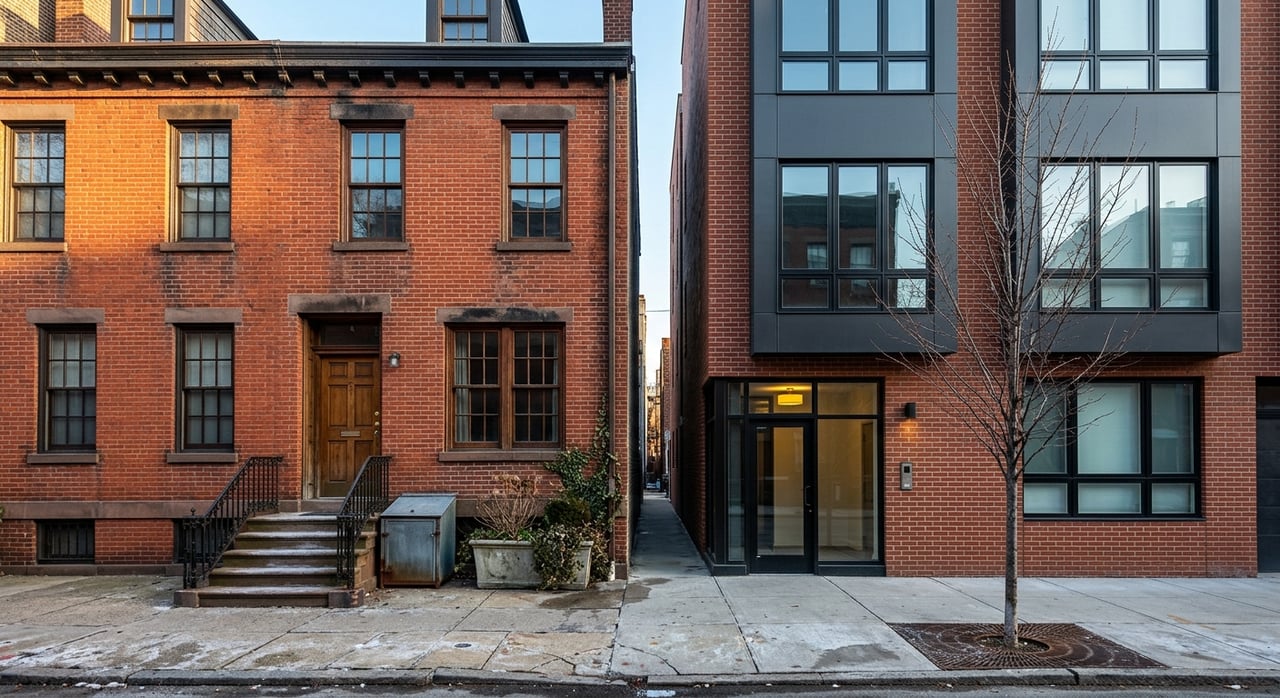
In much of Charlestown, the housing stock is anchored by older brick and wood rowhouses, along with public housing and newer waterfront condominiums and apartments. That mix gives the neighborhood a fairly defined identity, especially compared with parts of Boston that have a wider range of building types.
For many buyers, Charlestown feels consistent from block to block. If you are drawn to classic rowhouse living, a tighter neighborhood footprint, and a historic streetscape, Charlestown often lines up well with that goal.
Where Newer Housing Appears
Newer housing in Charlestown is concentrated more along the waterfront edge, particularly around the Navy Yard. That means buyers can often compare traditional residential blocks with more modern condo or apartment options without leaving the neighborhood entirely.
This split can be helpful if you like Charlestown’s overall feel but want more contemporary building features. You may find that the neighborhood gives you a choice between historic character and newer construction in a relatively small area.
Housing Style in South Boston
South Boston offers more variety in housing form. In the traditional residential sections, the housing fabric is dominated by triple-deckers and attached rowhouses, while the waterfront and Seaport side include newer apartment, condominium, and micro-unit buildings.
Planning materials describe South Boston as a peninsula that grew around East and West Broadway and still includes older residential blocks alongside newer development pressure near the waterfront. In practical terms, that means your housing search can look very different depending on which part of South Boston you focus on.
If you want more product types to choose from, South Boston usually gives you a broader menu. You may compare classic multi-family buildings, attached homes, and large newer waterfront buildings all within the same larger neighborhood.
How South Boston Feels by Area
South Boston is not one single housing experience. The traditional neighborhood areas and the waterfront submarkets can feel quite different in building style, scale, and streetscape.
That matters if you are trying to match your lifestyle to your home. Some buyers are looking for an older residential block pattern, while others want a newer building with easier access to major transit connections and the waterfront.
Charlestown vs. South Boston Housing Types
If you are deciding based mainly on building style, this side-by-side view can help:
| Category | Charlestown | South Boston |
|---|---|---|
| Common older housing | Brick and wood rowhouses | Triple-deckers and attached rowhouses |
| Newer housing | Waterfront condos and apartments | Waterfront apartments, condos, and micro-units |
| Neighborhood pattern | More compact and defined | Broader mix across multiple subareas |
| Overall feel | Historic and tightly scaled | More varied across traditional and newer areas |
The biggest difference is range. Charlestown tends to feel more focused, while South Boston tends to give you more housing formats to compare.
Walkability and Daily Convenience
Walkability can shape your housing decision just as much as square footage. In Charlestown, Boston planning documents point to Main Street and City Square as key local centers, and city planning work notes that walking is the most common way residents reach the Orange Line.
Charlestown’s strongest pedestrian experience is concentrated in its historic core and around transit hubs like Sullivan Square and Community College. If you want a neighborhood where daily errands and transit access feel centered around a few key nodes, Charlestown may feel intuitive.
South Boston’s walkability is more corridor-based. The South Boston Transportation Action Plan highlights bus service and pedestrian activity along East and West Broadway, Dorchester Street, Farragut Road, E First Street, E Eighth Street, F Street, and L Street.
In simple terms, South Boston often feels more linear. You may find strong day-to-day walkability along main streets and connectors, rather than around one compact historic center.
Waterfront and Open Space
Your preferred outdoor setting can also point you toward one neighborhood over the other. Charlestown’s waterfront identity is closely tied to the Charlestown Navy Yard and the Harborwalk, along with nearby open spaces such as Paul Revere Park, John Harvard Mall, Thomas Menino Park, City Square Park, and the Training Field area.
That creates a waterfront experience that feels layered and closely tied to the neighborhood’s historic setting. It is less about long beach stretches and more about a mix of civic parks, waterfront paths, and smaller open spaces.
South Boston offers a broader and more continuous waterfront recreation setup. Planning materials highlight beaches and waterfront parks including Carson Beach, L Street Beach, Pleasure Bay, the Strandway, and Moakley Park.
Massachusetts state information also identifies Castle Island, Pleasure Bay, M Street Beach, and Carson Beach as a connected waterfront park and beach destination with a paved pedestrian walkway extending toward the Kennedy Library. If beach access, long waterfront walks, and larger recreation zones are high on your list, South Boston may stand out.
Transit and Commuting Options
Transit often becomes the tie-breaker between these two neighborhoods. In Charlestown, the Orange Line is the main transit advantage, with Sullivan Square and Community College serving as established hubs.
Boston planning materials also point to future transit improvements, including additional shuttle service in the neighborhood. If walk-to-Orange-Line convenience is a top priority, Charlestown has a clear strength.
South Boston offers a different transit mix. The neighborhood is served by Red Line stations at Broadway and Andrew, bus routes along major corridors, and Silver Line access in the South Boston Waterfront.
Planning materials also note one-seat connections toward Downtown, South Station, and the airport from the waterfront area, along with strong access to I-90. If your routine depends on Red Line access, Silver Line connections, or easy airport trips, South Boston may be the more practical match.
Which Neighborhood Fits Your Home Search?
Neither neighborhood is better across the board. The better choice depends on what matters most in your search.
Charlestown is often a strong fit if you want:
- A smaller, more historic-feeling neighborhood
- Rowhouse-driven housing options
- Pocket parks and a defined waterfront core
- Orange Line access near key transit hubs
South Boston is often a strong fit if you want:
- More variety in housing types
- Traditional residential blocks plus newer waterfront buildings
- Broader beach and waterfront recreation
- Red Line, Silver Line, and strong corridor-based transit access
If you are buying, this is where a neighborhood-by-neighborhood strategy matters. Two homes at similar price points can offer very different day-to-day experiences depending on whether you value housing style, transit pattern, or waterfront access most.
If you are selling in either area, understanding these differences also helps with pricing and positioning. Buyers are not just comparing square footage. They are comparing lifestyle, building type, and how each neighborhood works for their routine.
When you are ready to compare Charlestown and South Boston in a more personal way, Marcella Sliney can help you look at the housing options through the lens of your budget, timeline, and goals.
FAQs
How do Charlestown and South Boston differ in housing types?
- Charlestown is more associated with older brick and wood rowhouses, public housing, and newer waterfront condos and apartments, while South Boston includes triple-deckers, attached rowhouses, and a larger supply of newer waterfront apartments, condos, and micro-units.
Which neighborhood has more housing variety, Charlestown or South Boston?
- South Boston generally offers more variety in housing form because it includes traditional residential blocks as well as larger newer waterfront developments.
Is Charlestown or South Boston better for transit access?
- It depends on your commute. Charlestown is closely tied to Orange Line access through Sullivan Square and Community College, while South Boston offers Red Line stations, bus routes on major streets, and Silver Line access in the waterfront area.
What is the waterfront experience like in Charlestown compared with South Boston?
- Charlestown has a more compact, historic waterfront centered on the Navy Yard, Harborwalk, and nearby civic parks, while South Boston offers a broader beach-and-park experience with connected waterfront destinations such as Carson Beach, Pleasure Bay, and Castle Island.
Should buyers choose Charlestown or South Boston for walkability?
- That depends on the kind of walkability you prefer. Charlestown’s walkability is strongest in its historic core and near transit hubs, while South Boston’s walkability is more tied to major corridors like Broadway and other neighborhood connectors.