Wondering why some South End homes attract serious interest quickly while others sit longer than expected? In a neighborhood where buyers care about character, layout, and presentation, the way you position your home can shape the entire result. If you are thinking about selling, this guide will show you how to align your South End home with what today’s buyers are actually looking for. Let’s dive in.
Understand the South End market
South End remains a premium Boston neighborhood, but buyers are not overlooking details. Recent market snapshots show a mix of strong values and careful buyer behavior, with median sale and list prices still high, sale-to-list ratios near parity, and varying timelines depending on the data source.
The common thread is clear: buyers are engaged, but selective. Redfin reported a March 2026 median sale price of $1,367,500, up 2.8% year over year, with homes taking 48 days to sell. Realtor.com reported a March 2026 median listing price of $1,250,000, a 99% sale-to-list ratio, and 26 median days on market, while Zillow said homes were going pending in around 14 days as of late April 2026.
That range tells you something important. A well-positioned listing can still move quickly, but pricing and presentation need to be sharp from day one.
Price with precision
In South End, pricing is part of your marketing strategy. Buyers in this market are comparing architecture, updates, outdoor space, and building details closely, so an aspirational price without support can slow momentum.
Redfin also noted that average homes sold about 1% below list price over the prior three months. That does not mean sellers need to underprice. It means today’s buyers are paying attention and expect value to match the number they see online.
The best pricing strategy usually starts with the reality of your specific home. A parlor-level condo with preserved detail, strong natural light, and outdoor space may compete very differently from a similar-sized home with a choppy layout or less polished presentation.
Lead with South End lifestyle
Buyers do not shop for South End the same way they shop for a suburban home. They are often drawn to the neighborhood’s architecture, location, walkability, transit access, parks, and the overall feel of the area.
That lines up with broader buyer behavior. In the 2025 NAR Generational Trends report, buyers cited factors like neighborhood quality, convenience to friends and family, convenience to work, design of the neighborhood, walkability, and parks and recreation as important drivers.
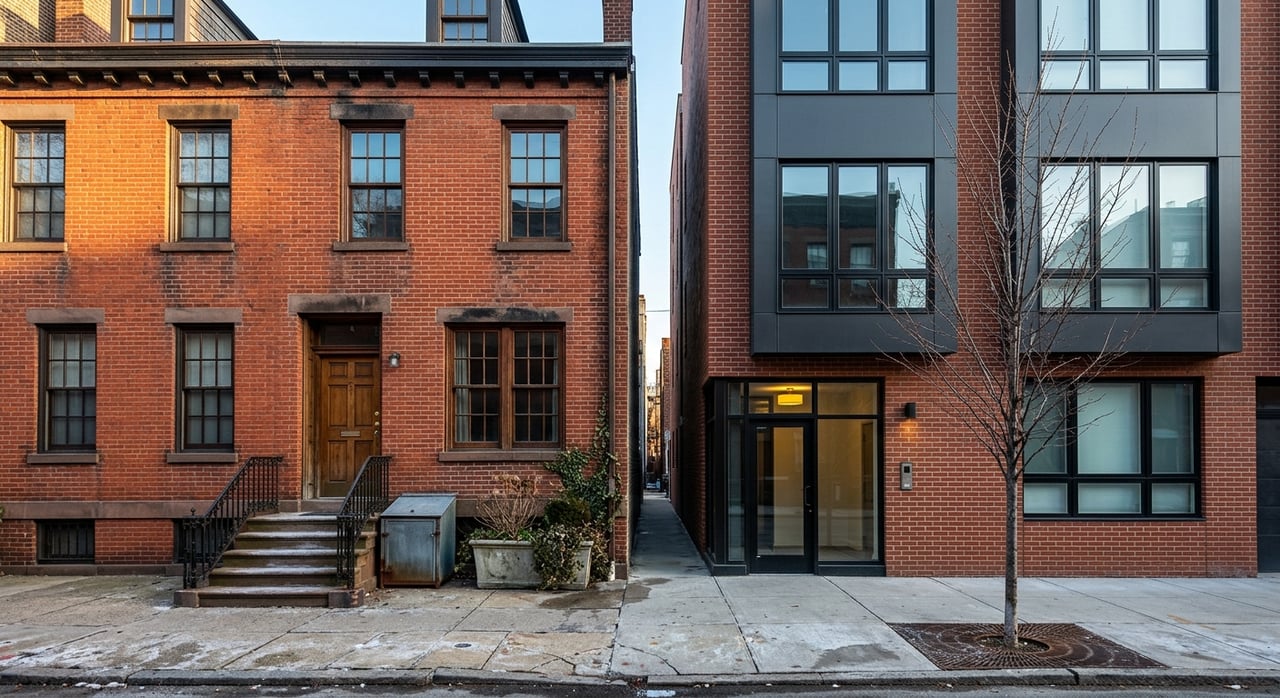
For a South End listing, your marketing should reflect what makes the neighborhood distinct. Boston Planning describes the South End as an elegant residential neighborhood known for Victorian townhouses, many small parks, and a strong restaurant and arts scene. Boston.gov also describes the South End Landmark District as a cohesive district of 19th-century Victorian red brick rowhouses.
What to emphasize in your listing
If these features apply to your home, they should be front and center in the marketing:
- Historic architectural character
- Access to neighborhood parks
- Walkable daily conveniences
- Transit access along Washington Street
- Proximity to dining and arts destinations
- Thoughtful city living with flexible interior space
This does not mean writing a long list of generic amenities. It means presenting your home in a way that connects it to the reasons buyers choose South End in the first place.
Showcase flexible space clearly
Today’s buyers want homes that work for real life. Even in a compact city layout, they are paying attention to whether a space can support work, guests, hobbies, or quiet separation during the day.
Zillow’s 2025 Consumer Housing Trends report found that 51% of prospective buyers considered an extra room for a home office very important. It also found that 30% wanted a separate structure for a home office, which reinforces a broader point: buyers value usable, intentional flexibility.
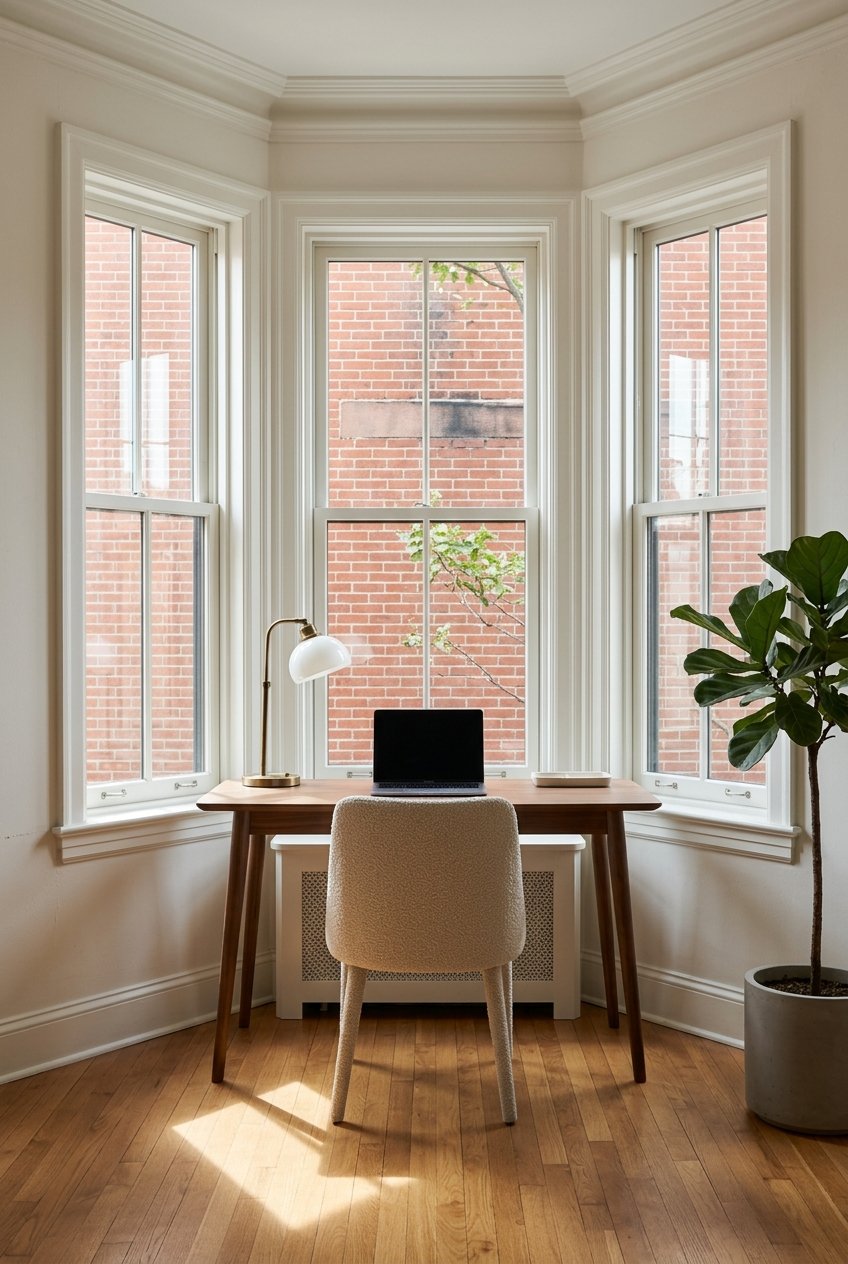
In South End, that means you should not let a small bonus area feel undefined. If you have a den, office nook, guest room, or flexible alcove, show buyers how it lives.
Spaces that deserve special attention
These features can help your home stand out when they are presented clearly:
- A true home office or work nook
- A guest bedroom that doubles as flex space
- A balcony or terrace
- A private garden
- A roof deck, if applicable
- A smart storage area that supports city living
The goal is simple. Buyers should see purpose in every square foot.
Highlight outdoor space as a lifestyle feature
Outdoor space carries real weight with buyers. Zillow’s 2025 trend reporting found growing interest in experience-driven features such as patios, yards, and views, and its feature-value analysis found outdoor features among the top home elements that help properties sell for more.
In South End, even modest outdoor space can feel meaningful. A small private patio, roof deck, terrace, or garden can add lifestyle value that buyers remember after a showing.
When you market those features, be specific and visual. Instead of treating them as an afterthought, frame them as usable extensions of the home for relaxing, dining, or enjoying fresh air.
Respect the home’s historic character
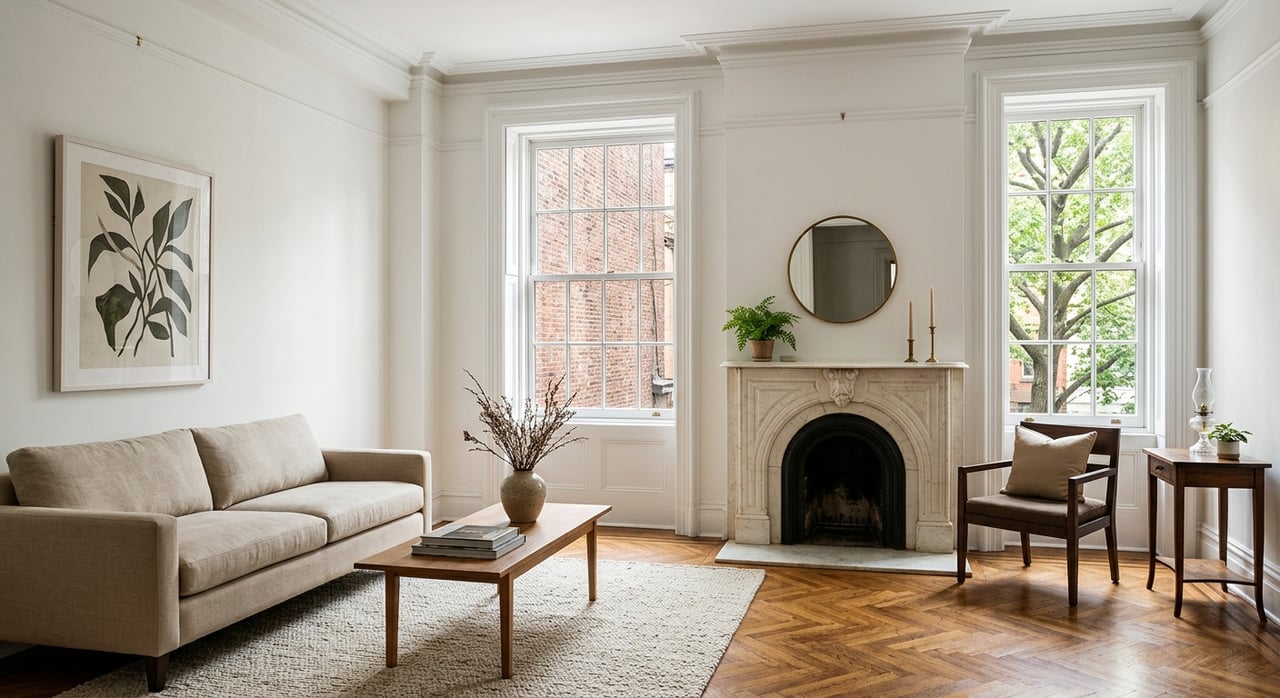
South End buyers often respond strongly to authenticity. In a neighborhood known for Victorian rowhouses and historic detail, preserved original features can add more appeal than changes that feel out of place or unfinished.
The South End Landmark District standards favor repairing original wood windows rather than replacing them. The standards also support retaining or restoring entryways, doors, ironwork, cornices, rooflines, and slate, and they require Commission approval for exterior alterations.
That matters before you list. If you are considering updates to the outside of the property, you should factor in the review process early rather than assume changes can be made quickly.
Historic details that help a home show well
Buyers may respond well to details such as:
- Original wood windows in good condition
- Well-kept front entry details
- Intact ironwork
- Clean masonry
- Preserved cornices and rooflines
- A consistent, finished exterior appearance
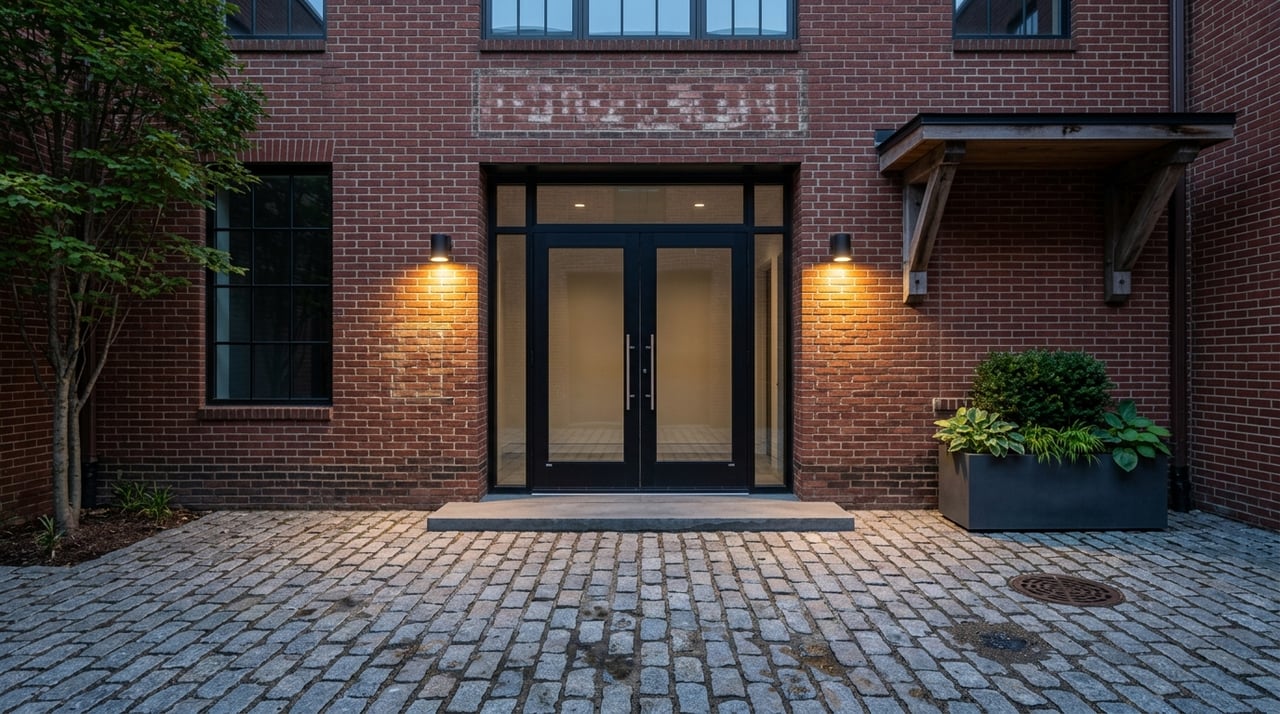
Even small exterior issues can stand out in a historic neighborhood. A cared-for entry and polished street-facing presentation can shape a buyer’s first impression before they walk inside.
Stage for how buyers shop now
Most buyers will meet your home online first. That means staging is not just about open houses. It is about making the property feel clear, inviting, and easy to understand in photos.
According to NAR’s 2025 Profile of Home Staging, 83% of buyers’ agents said staging makes it easier for a buyer to envision the home. NAR also found that buyers often begin their search online, and among internet users, the most useful website features were photos, detailed property information, floor plans, virtual tours, and videos.
In practical terms, your home needs to look polished before it hits the market. A rushed launch with cluttered rooms or unclear photos can cost you attention early, and that attention is hard to get back.
Focus your staging where it counts
NAR found the most important rooms to stage were:
- Living room
- Primary bedroom
- Kitchen
Those priorities make sense in South End. Buyers want to understand how the home lives, how it flows, and whether the key spaces feel comfortable and intentional.
The prep work that matters most
Sellers’ agents most often recommended these steps:
- Declutter the home
- Clean the entire home
- Improve curb appeal
For South End sellers, that usually means editing furniture, clearing visual distractions, brightening rooms, and making the entry sequence feel crisp and welcoming.
Make small spaces feel purposeful
Many South End homes offer charm and location, but not endless square footage. That is not a weakness if the layout feels efficient and every area has a clear use.
This is where thoughtful staging and photography make a real difference. A compact dining area can read as elegant, a hallway nook can read as practical workspace, and a smaller bedroom can still feel inviting if the scale and setup are right.
Avoid leaving buyers to guess. If a room could be interpreted in three different ways, choose the best use and present it confidently.
Build a polished online launch
Because buyers usually start online, your first impression happens on a screen. Strong photography, accurate property details, and a clean visual story can help buyers decide whether to book a showing or move on.
This is especially important in a market where buyers are comparing many homes quickly. If your listing photos do not explain the layout, light, outdoor space, and architectural character clearly, buyers may never make it to the front door.
A polished launch should make these points easy to understand:
- What type of South End lifestyle the home supports
- Which historic features have been preserved
- How flexible spaces can be used
- Whether there is meaningful outdoor space
- Why the pricing makes sense in the current market
Work from a clear selling plan
Selling well in South End usually comes down to a disciplined combination of pricing, preparation, and timing. It is rarely just one thing.
The strongest approach is often to price tightly, present the home authentically, and go live with marketing that already looks complete. That helps buyers see value quickly and gives your listing the best chance to create early interest.
If you are unsure where to start, begin with the pieces that buyers notice first: price, condition, photos, and whether the home feels true to the neighborhood. Those are the details that shape how your listing competes.
If you are thinking about selling in South End, Marcella Sliney can help you build a practical pricing and positioning plan that fits your home, your timeline, and today’s buyer expectations.
FAQs
How should you price a home in South End, Boston?
- In South End, pricing should reflect your home’s condition, layout, historic character, and features like outdoor space or flexible rooms, since current buyers are selective and often expect value to align closely with list price.
What features matter most to South End home buyers?
- South End buyers often value neighborhood character, walkability, parks, transit access, historic architecture, and flexible interior spaces that support work, guests, or daily city living.
Should you stage a South End home before listing it?
- Yes, staging can help buyers picture how the home lives, and the most important areas to focus on are typically the living room, primary bedroom, and kitchen.
What historic details should you preserve in a South End home sale?
- Preserved original wood windows, entry details, ironwork, masonry, cornices, and rooflines can strengthen buyer appeal, especially in a neighborhood where historic character is a major draw.
Why is outdoor space important when selling a South End property?
- Buyers are showing strong interest in lifestyle-driven features, so a balcony, terrace, private garden, or roof deck can make your home more memorable when it is presented as usable living space.
What should you know before making exterior changes to a South End home?
- In the South End Landmark District, exterior alterations require Commission approval, so it is smart to account for that process early if you are considering outside improvements before listing.