Wondering whether Charlestown feels like a quiet historic corner of Boston or a busy city neighborhood? The truth is that it offers a bit of both. If you are thinking about buying, renting, or selling here, it helps to understand how daily life really works in Charlestown and what makes it distinct from other Boston neighborhoods. Let’s dive in.
Charlestown has a village feel
Charlestown is Boston’s oldest neighborhood, founded in 1629, but it does not feel stuck in the past. The neighborhood sits just north of Downtown along Boston Harbor and the Mystic River, and the City describes it as a place with deep historical roots that has grown into a busy modern-day community.
In everyday life, that often translates to a smaller-scale, more connected feel than you might expect this close to the city center. Main Street and City Square help anchor the neighborhood with local shops and restaurants, while well-known landmarks like the U.S.S. Constitution, the Bunker Hill Monument, and the Charlestown Navy Yard shape the area’s identity.
Charlestown also reflects both continuity and change. City information notes that immigrants and young professionals have joined Charlestown’s traditionally Irish population, which helps explain why the area is often described as historic and lived-in rather than centered only on visitors.
Housing in Charlestown is varied
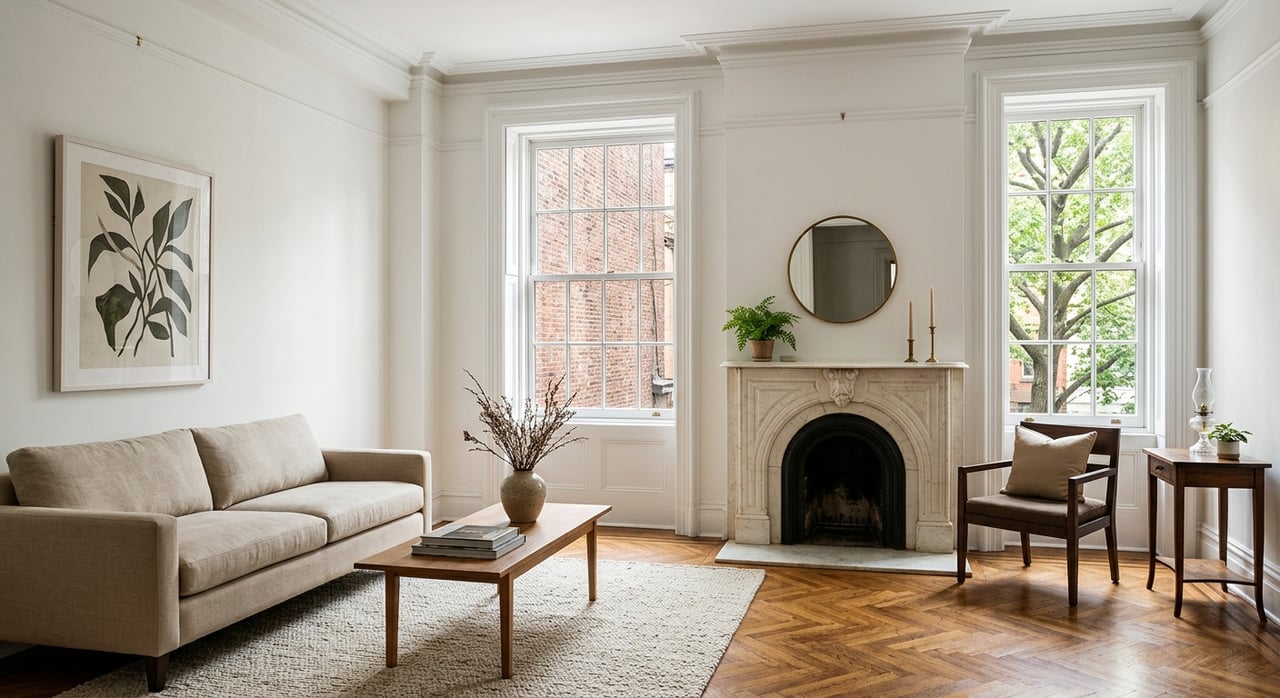
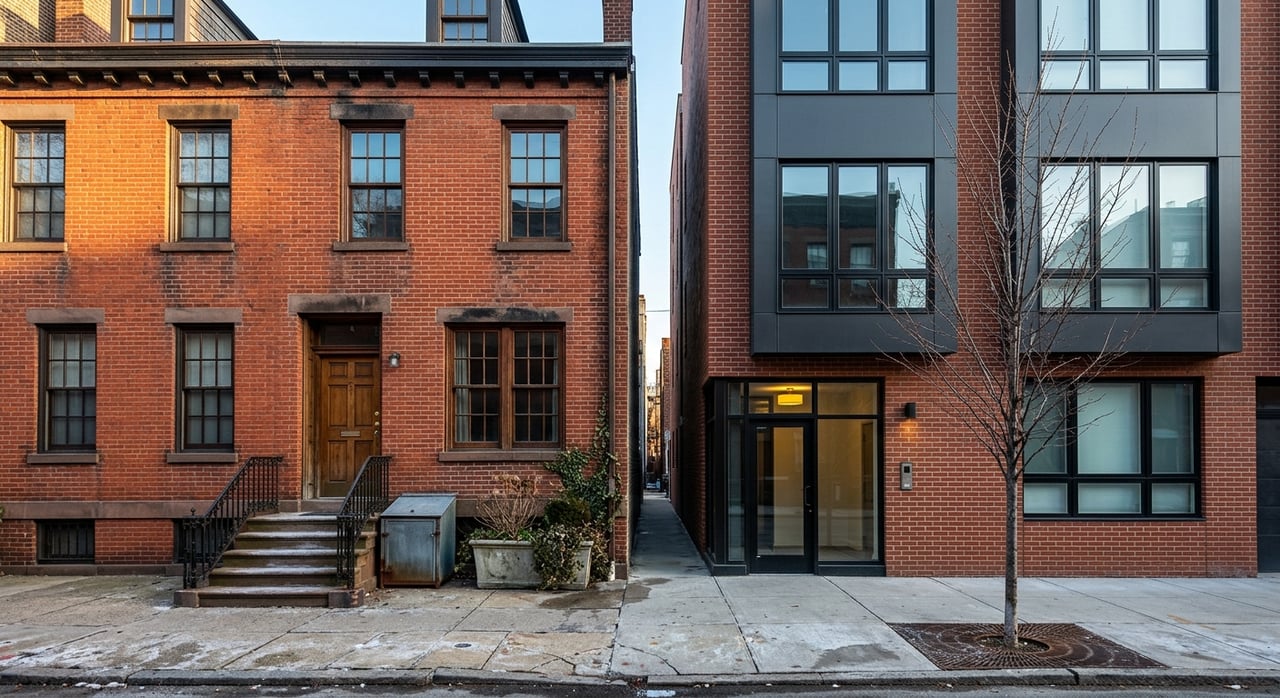
One of the biggest draws in Charlestown is its range of housing types. Boston planning materials describe the neighborhood as a residential area with brick and wood row houses, public housing, and newer waterfront condominiums and apartments.
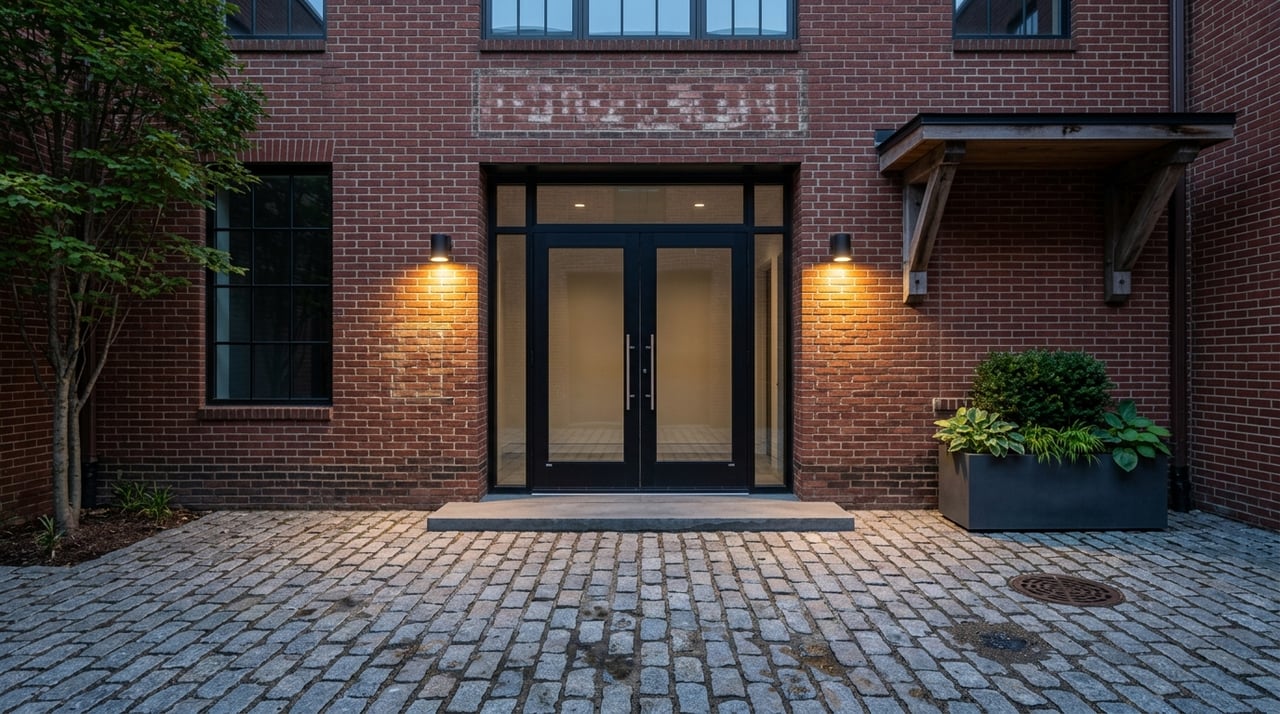
That mix matters if you are trying to match lifestyle with budget and property type. You will find historic homes with character, along with more contemporary options tied to redevelopment in the former Charlestown Navy Yard, where former industrial and naval spaces were adapted for homes, businesses, and recreation.
Recent BPDA and ACS data show 9,731 housing units in Charlestown, with 95.3% occupied. The neighborhood is almost evenly split between owners and renters, with 48.6% owner-occupied and 51.4% renter-occupied, which points to a balanced market rather than one dominated by only one type of resident.
Who tends to live in Charlestown
Charlestown tends to attract a mix of working-age adults, established households, and families. BPDA data show that 12% of residents are under age 10, and 96% of residents ages 20 to 34 are in the labor force.
That combination helps explain the neighborhood’s rhythm. You have people commuting into the city, residents enjoying nearby parks and waterfront space, and households that want neighborhood character without giving up access to downtown Boston.
For buyers, that can mean steady appeal across different life stages. For sellers, it helps to know Charlestown speaks to more than one kind of buyer, especially those looking for a home in a neighborhood that feels grounded and active at the same time.
Waterfront living shapes daily life
Charlestown’s waterfront is not just a backdrop. It is a real part of how the neighborhood feels and functions. The Charlestown Navy Yard forms the southern edge of the neighborhood and offers green spaces, piers, and skyline views that give the area a distinctly coastal urban feel.
Boston also notes that Charlestown has two marinas, Constitution Marina and Shipyard Quarters Marina. That waterfront access adds a layer to daily life here that is unusual, even within Boston.
Historic sites are woven into the same spaces residents use every day. The Navy Yard remains a public place, and the Bunker Hill Monument is a major historic landmark, so you are living in a neighborhood where local life and historic setting overlap in a very visible way.
Parks and community amenities add balance
Charlestown may be close to downtown, but it offers a strong set of neighborhood amenities that support day-to-day living. Boston lists Paul Revere Park, Thomas Menino Park, John Harvard Mall, the Training Field, City Square Park, and the World War II Memorial among the area’s open spaces and community features.
The neighborhood also includes Clougherty Pool, the Charlestown Working Theater, tennis courts in the Navy Yard, and Gardens for Charlestown. Together, these spaces help Charlestown feel more personal and community-oriented than some larger urban districts.
If you are deciding whether the neighborhood fits your lifestyle, this is an important point. Charlestown is not only about architecture and history. It also offers everyday places to walk, gather, spend time outdoors, and enjoy the neighborhood close to home.
Getting around is a major advantage
Charlestown stands out for its access to downtown Boston. According to National Park Service directions, the Charlestown Navy Yard is about a 15-minute walk from North Station, and the Bunker Hill Monument area is about a 20-minute walk from North Station.
For many residents, that close connection to downtown is one of the neighborhood’s biggest practical benefits. You can feel tucked into a defined neighborhood while still staying close to major city destinations.
The Charlestown Navy Yard ferry also runs seven days a week, weather permitting, from Long Wharf to Pier 4 in Charlestown. The trip takes about 10 minutes, and during rush hour it runs every 15 minutes.
The National Park Service also lists the 93 bus as a direct option to Constitution Road. Taken together, those travel patterns reinforce an important lifestyle point: Charlestown works especially well if you are comfortable walking, using public transit, and taking advantage of ferry access.
Driving and parking may feel different here
Like many older Boston neighborhoods, Charlestown is easier to enjoy when you expect an urban, transit-oriented setup. Visitor guidance for the area repeatedly points people toward walking, public transit, and the ferry rather than driving.
That does not mean driving is impossible. It does mean the neighborhood may feel more convenient for someone who values walkability and proximity than for someone who wants easy surface parking everywhere.
If you are buying in Charlestown, that is worth thinking through early. Your block, building type, and daily routine can all shape how the neighborhood feels in practice.
Charlestown is changing while preserving its character
Charlestown is not a frozen historic district. Planning efforts for the area show that the neighborhood is balancing growth with preservation, especially along Rutherford Avenue and in Sullivan Square.
The stated goals include contextually appropriate growth while preserving existing residential character, historic assets, parks, mobility connections, and affordable housing goals. That makes Charlestown an interesting choice for buyers and sellers because it combines long-established identity with ongoing change.
In practical terms, this means Charlestown continues to evolve. You get a neighborhood with strong historic presence, but also one that is still adapting to how people live, move, and work in Boston today.
What living in Charlestown feels like overall
If you are trying to sum up Charlestown in a few words, think historic, waterfront, connected, and neighborhood-driven. It offers a strong sense of place, a housing mix that includes both classic and more modern options, and quick access to downtown.
For some buyers, the biggest appeal is the village feel within the city. For others, it is the combination of waterfront access, parks, and commuting convenience. For sellers, those same traits help explain why Charlestown remains a neighborhood that draws consistent interest from people looking for both character and practicality.
If you are weighing a move to Charlestown or thinking about how to position a home here, local context matters. Working with someone who understands how Boston neighborhoods differ block by block can help you make a more confident decision. If you are exploring your next move in Charlestown or another nearby Boston neighborhood, Marcella Sliney can help you navigate it with clear, practical guidance.
FAQs
What is the overall feel of Charlestown, Boston?
- Charlestown is generally described as a historic, downtown-adjacent Boston neighborhood with a village feel, local business areas, waterfront access, and well-known landmarks like the Bunker Hill Monument and the Charlestown Navy Yard.
What types of homes are common in Charlestown?
- Charlestown includes brick and wood row houses, public housing, waterfront condominiums, and apartments, giving buyers and renters a mix of historic and more contemporary housing options.
Is Charlestown a good neighborhood for commuting into downtown Boston?
- Charlestown offers strong access to downtown, including a walk to North Station from key parts of the neighborhood, ferry service to the Navy Yard, and bus access, which makes it convenient for residents who are comfortable using transit and walking.
Does Charlestown, Boston have parks and outdoor spaces?
- Charlestown has a wide range of parks and public spaces, including Paul Revere Park, Thomas Menino Park, City Square Park, the Training Field, and waterfront green spaces in the Navy Yard.
Who tends to live in Charlestown, Boston?
- Charlestown has a mix of residents, including working-age adults, young professionals, established households, and families, with a near-even split between owner-occupied and renter-occupied homes.