Thinking about listing your South Boston home soon? Getting the details right before you hit the market can save you stress, protect your timeline, and help you earn stronger offers. From required safety certifications to smart staging and clean condo paperwork, a clear plan makes all the difference. This guide gives you a simple, local roadmap so you can move from “thinking about it” to “sold” with confidence. Let’s dive in.
Your South Boston listing prep plan
Start with legal must-dos
Tackle these early. Missing items here can delay or block your closing.
- Lead-based paint disclosure for pre-1978 homes. Federal law requires you to disclose known lead information and provide the EPA pamphlet “Protect Your Family From Lead in Your Home” before a buyer signs a contract. Review the EPA lead-based paint disclosure guidance and make sure you have any test or abatement records ready.
- Massachusetts lead transfer notice. In addition to federal rules, Massachusetts requires property-transfer lead notification. Most sellers complete the standard state forms. Learn more from Mass.gov’s Property Transfer Lead Paint Notification page.
- Smoke and carbon-monoxide certificate. At the time of sale, your home must meet state smoke and CO alarm requirements, and you need a passing inspection from the local fire department. Schedule this early because appointments can book out and certificates are time-limited. See the state fire code reference at 527 CMR 1.05.
- Septic (Title 5) if not on city sewer. Most South Boston homes are sewered, but if your property uses a septic system, Title 5 triggers inspection and reporting at transfer. Check requirements at MassDEP’s Title 5 guidance.
- Condo 6(d) certificate. For condos, lenders and closing attorneys usually require a certificate showing any unpaid common expenses under Massachusetts Chapter 183A. Turnaround and fees vary by association, so plan ahead. Read the law overview for Chapter 183A.
- Transferor and tax paperwork. Closings in Massachusetts require administrative forms coordinated by your listing agent and attorney. A common item is the state’s transferor certification. See the Massachusetts DOR transferor’s certification for context.
Consider a pre-list inspection
A seller-paid pre-list inspection can surface issues before buyers find them. You can then choose to repair, disclose, or price accordingly. Many sellers use this to avoid last-minute renegotiations and to select contractors on their own terms. Learn more about the strategy behind pre-list inspections from Home Inspection Insider.
Prioritize repairs that matter
Think in three tiers:
Safety and compliance. Make sure smoke and CO alarms meet code and are in the right locations. If your home predates 1978, complete lead disclosures. If septic applies, meet Title 5 rules.
Structural and system issues. Roof leaks, electrical hazards, foundation concerns, and failing HVAC are high priority. If you plan not to fix certain items, be ready to disclose and negotiate a credit.
Cosmetic value-adds. Fresh neutral paint, updated lighting, clean grout, and new hardware can have an outsized effect in compact South Boston condos and townhomes. These quick updates help photos pop and make your space feel move-in ready.
Timeline: 90 days to market day
Use this simple schedule to keep your listing on track.
60 to 90 days before listing
- If using, order a pre-list inspection and review results.
- Start any larger repairs or safety fixes that need permits or licensed contractors.
- If you have oil heat, confirm there are no buried or abandoned tanks that require attention.
- Ask your agent to map out the smoke/CO inspection timing and fees so the certificate will be fresh for closing.
30 to 45 days before listing
- Declutter, donate, and store off-season items to open up space.
- Deep clean the entire home, including windows and grout.
- Complete minor updates like paint, lighting, and hardware.
- Book staging services if you plan to stage.
- Schedule professional photography once work is nearly complete.
10 to 21 days before listing
- Final touch-ups and a last deep clean.
- Photographer shoot day, plus any add-ons like video or twilight images.
- Prepare MLS materials, property description, and feature list.
- If selling a condo, have your agent request the resale packet timeline and confirm when the 6(d) certificate will be produced.
- Confirm your smoke/CO inspection window with the fire department.
At contract and prior to closing
- Your attorney will coordinate transfer paperwork, tax forms, and payoff statements.
- The condo association or manager will prepare the 6(d) certificate and any final estoppel or payoff details. Ask for their standard turnaround time and fees.
- Keep an eye on time-sensitive items like the smoke/CO certificate.
Condo and townhouse specifics
Order the resale packet and 6(d)
Under Massachusetts condo law, associations manage documentation of unpaid common expenses, commonly called the 6(d) certificate. It is often required by lenders and closing attorneys and is produced by the trustees or property manager. Turnaround and fees vary, so request timing expectations early. For legal context, see Chapter 183A.
Expect these buyer document requests
- Master deed and amendments
- Bylaws and rules
- Last 12 to 24 months of association minutes
- Current budget and reserve details
- Insurance summary
- Certificate of no unpaid common expenses (6d)
- Unit ledger or payoff statement
- Any planned or pending special assessments
- Pet policies and any rental or lease rules
Your agent can coordinate when to request the packet so buyers have what they need while keeping turnaround times realistic.
If your unit is tenant-occupied
Plan showings with respect for tenant notice periods and building policies. Your purchase agreement will outline how showings, lease assignments, and move-out or rent-back details work. Clear communication with your agent keeps access smooth and reduces disruption for everyone.
Staging and photography that sell
Why presentation matters
Online is the first showing for most buyers, especially for South Boston condos and townhomes. Professional photos and staging can increase listing views, shorten days on market, and improve perceived value. See why high-quality media matters in this overview of professional real estate photography benefits.
What to budget
- Photography. Expect many urban packages to range roughly from $150 to $500 depending on add-ons like drone, twilight, video, or 3D. Explore typical ranges in Thumbtack’s pricing guide.
- Staging. Options run from a consult or partial staging up to full furniture rental. Industry surveys show staging often shortens time on market and can deliver positive ROI in many cases. See data highlights from the Home Staging Institute.
Photo and media checklist
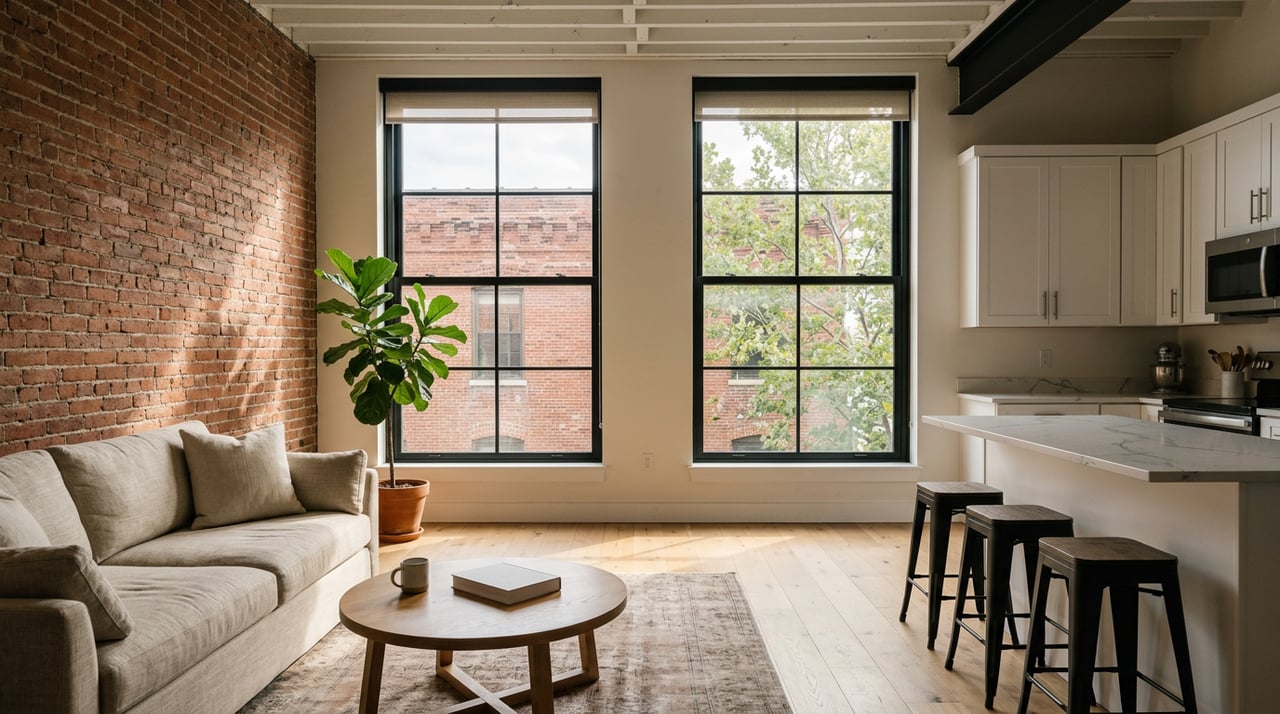
- Interior: clear counters, styled shelves, made beds, fresh textiles, warm and even lighting, and minimal personal items.
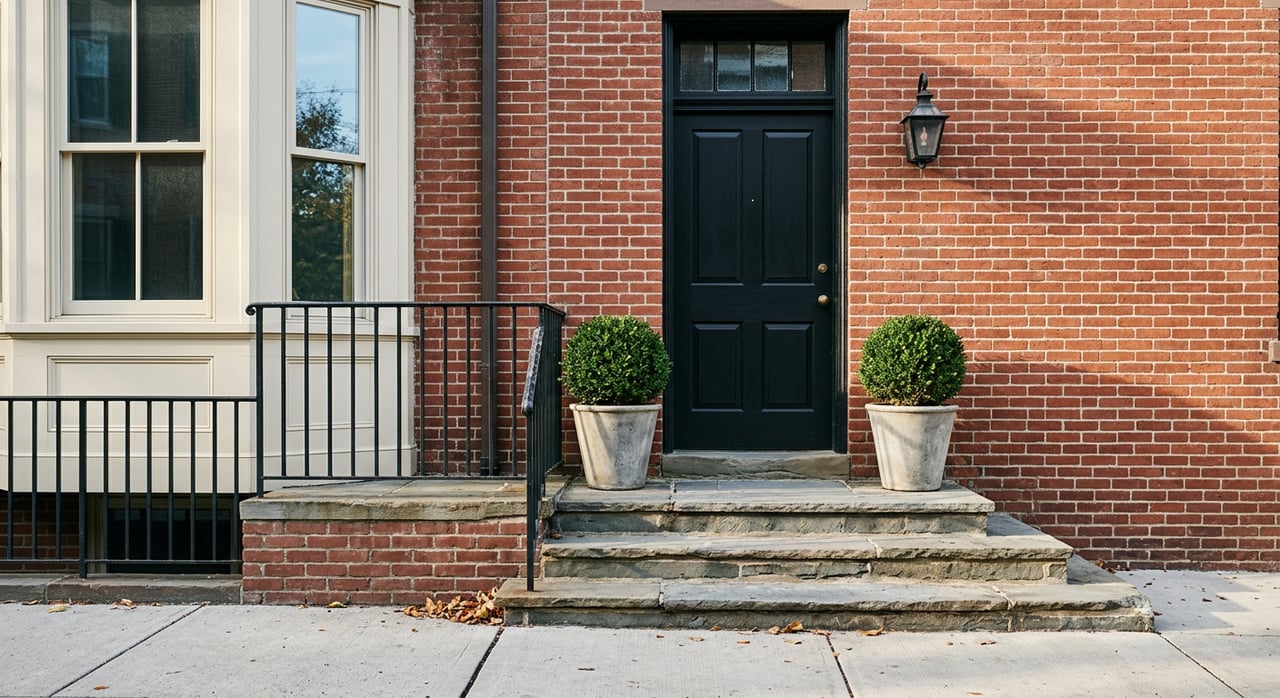
- Exterior and context: clean entry, visible address, and allowed shots of shared amenities like a lobby, gym, or roof deck.
- Add-ons: drone for skyline or waterfront perspectives, twilight shots for curb appeal, and a short video or 3D tour for remote buyers.
How your listing reaches buyers
Your agent will upload to the MLS, which then syndicates to major consumer sites and brokerage platforms. The first week of exposure is crucial, so align final cleaning, staging, and media to launch strong with your best look on day one.
Showings, offers, and closing
Manage showings smoothly
Confirm any building rules for elevator bookings, security, or concierge access. Set consistent showing windows and keep your home clean and ready. Good access means more qualified buyers through the door and fewer missed opportunities.
Inspection and repair negotiations
Even if you provide a pre-list inspection, many buyers still conduct their own. If repairs come up, your common options are to complete repairs with licensed pros, offer a credit at closing, or adjust price. A proactive approach reduces last-minute stress and helps keep your deal on track. For a primer on pre-list inspection strategy, see Home Inspection Insider’s guide.
Documents your attorney will expect
Plan to deliver, at minimum, your smoke/CO certificate, any required lead disclosures, transferor forms, mortgage payoffs, and, for condos, the 6(d) certificate. Lenders and attorneys rely on these items. Missing or expired documents are a common source of closing delays. Review the state reference for smoke and CO requirements and confirm timing with your agent.
What your agent handles for you
A strong listing agent simplifies the process, coordinates vendors, and protects your timeline. Here is what you can expect:
- Recommend a pricing and positioning strategy based on recent South Boston comps and buyer demand.
- Coordinate pre-list inspections, contractors, cleaners, stagers, and photographers.
- Schedule and track the smoke/CO fire department inspection and certificate.
- Request and chase down condo documents and the 6(d) certificate, and liaise with trustees or managers.
- Prepare a marketing plan and launch with professional photos and targeted promotion.
- Manage showings, qualify buyers, and guide you through offers and repairs or credits.
- Work with your attorney and the buyer’s team to keep closing documents accurate and on time.
Ready to take the next step? If you want a clear, local plan for pricing, presentation, and timing, connect with Marcella Sliney for a customized prep checklist and Get a Free Home Valuation.
FAQs
Do I need a lead disclosure if my South Boston home was built before 1978?
- Yes. Federal law requires you to disclose known lead information and provide the EPA pamphlet before a buyer signs a contract, and Massachusetts adds state transfer-notice requirements.
What is a condo 6(d) certificate and who provides it?
- It is a certificate regarding unpaid common expenses under Massachusetts Chapter 183A, prepared by the condo trustees or property manager. Turnaround and fees vary by association.
How far in advance should I schedule the smoke and CO inspection?
- Schedule as early as practical to match your closing window. Appointments can book up, and certificates are typically time-limited, so plan the timing with your agent.
Should I get a pre-list inspection or wait for the buyer’s?
- A pre-list inspection can help you find and address issues on your terms, reduce surprise renegotiations, and support clear disclosure. It is optional but often strategic.
How much should I budget for photos and staging in South Boston?
- Photography often ranges around $150 to $500 depending on add-ons, and staging can run from a few hundred dollars for a consult to several thousand for full staging, depending on scope.