If you want a Boston neighborhood that feels both historic and lived-in, the South End is hard to ignore. You get classic rowhouse streets, strong dining and arts energy, and more green space than many people expect in such a central location. If you are wondering what daily life here really looks like, this guide will walk you through the homes, culture, parks, and convenience that shape the neighborhood. Let’s dive in.
Why the South End stands out
The South End is one of Boston’s most recognizable neighborhoods, and a big reason is its setting. The City of Boston describes the South End as minutes from Downtown and Back Bay, which helps explain why it appeals to people who want city access without feeling like they live in the middle of the financial district.
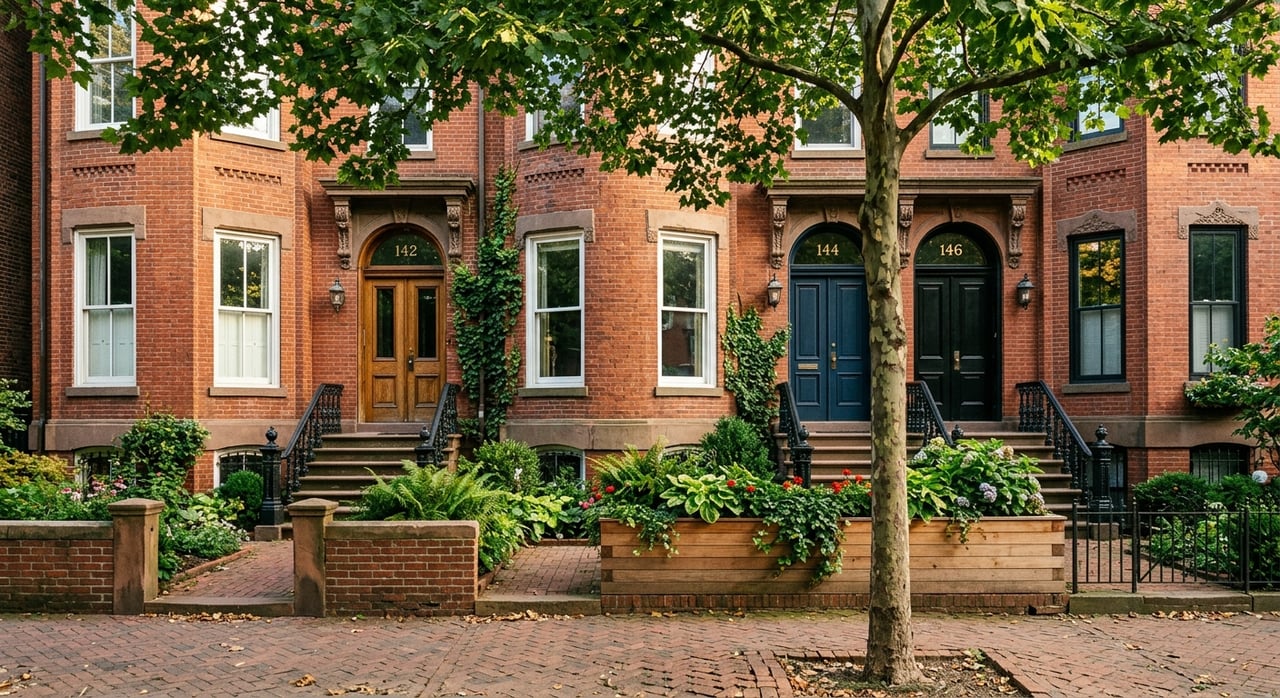
It also has a distinct identity. Boston Planning notes that the South End is known for Victorian townhouses, small parks, and a thriving restaurant and arts scene. That combination gives the neighborhood a more residential, neighborhood-scale feel while still offering dense urban convenience.
South End homes and architecture
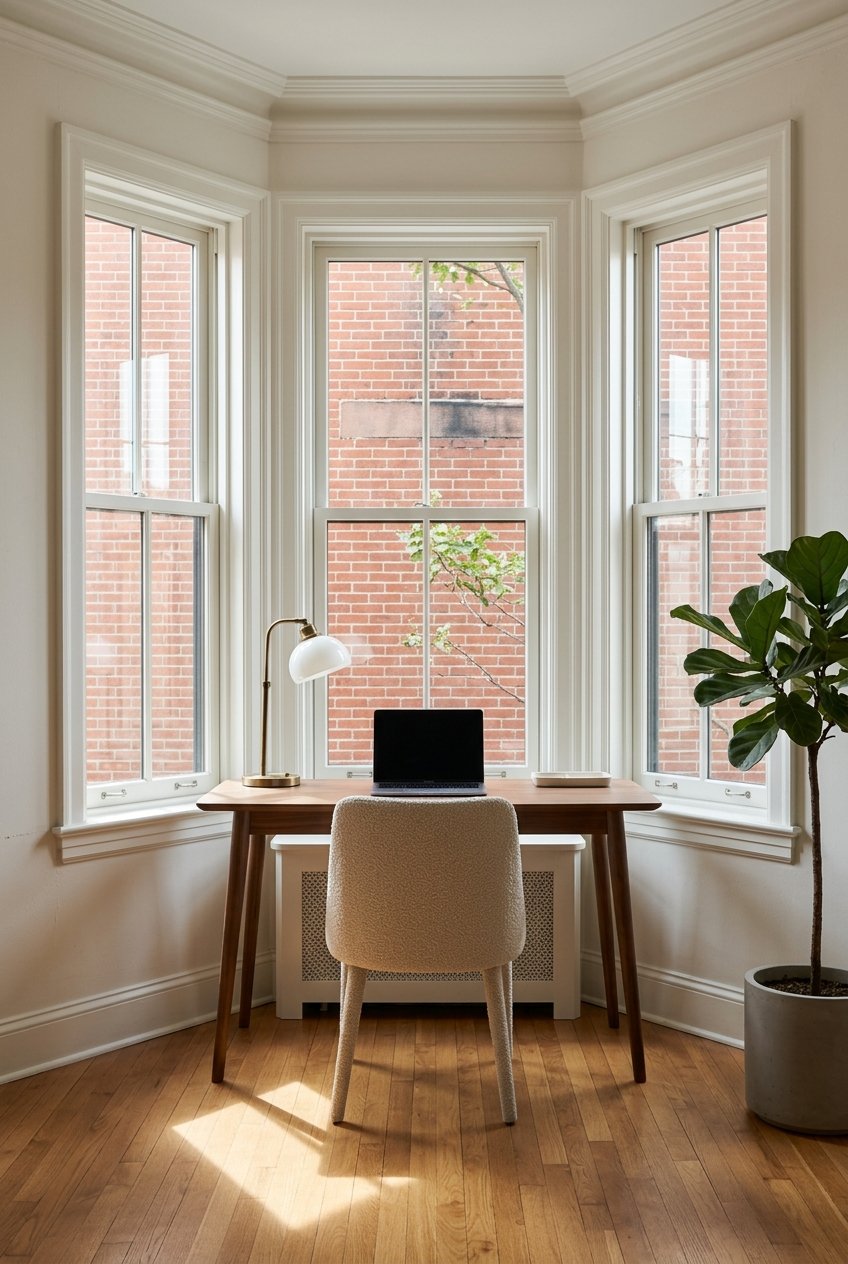
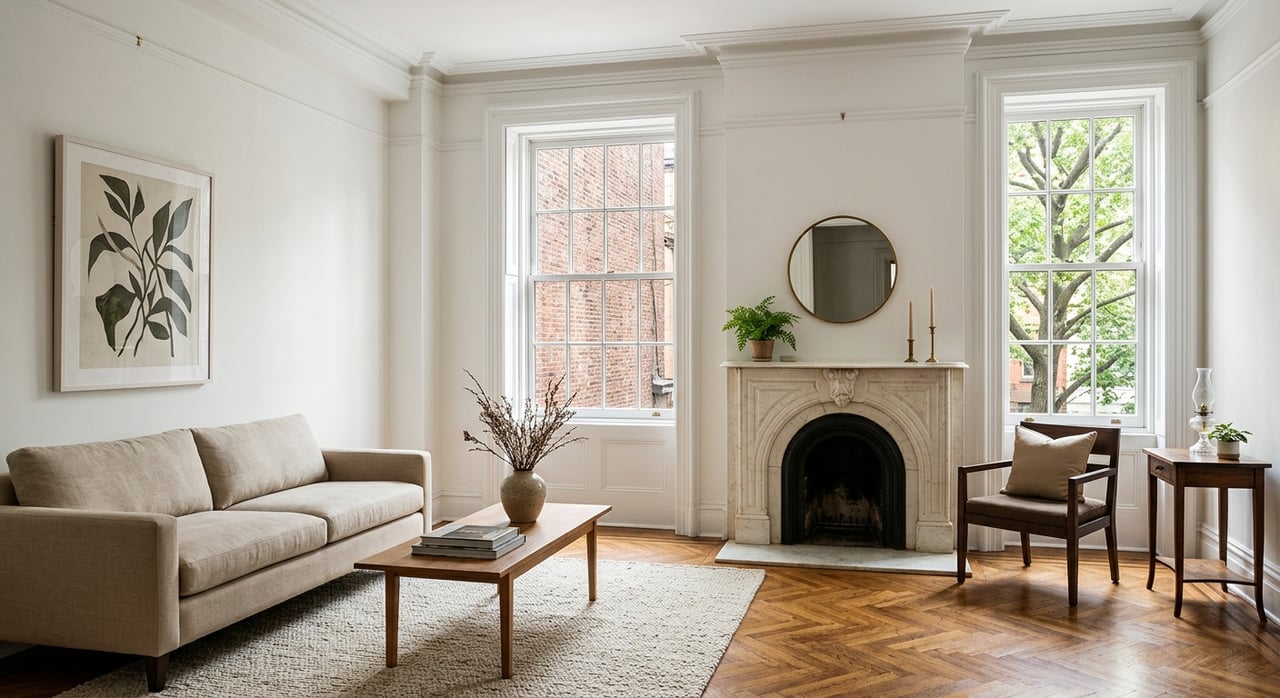
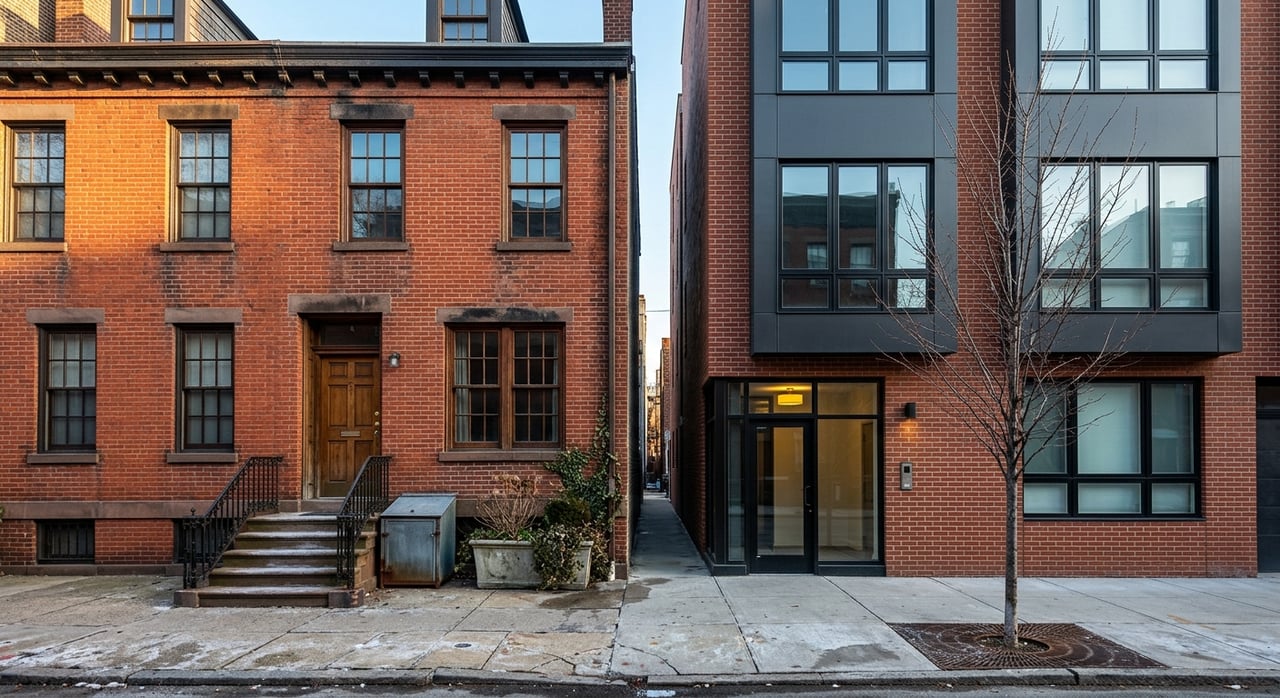
When most people picture the South End, they think of beautiful brick rowhouses and brownstone-style streets. That image is grounded in reality. The South End Landmark District standards describe the area as Boston’s largest urban Victorian neighborhood, with a cohesive character shaped by 19th-century red-brick rowhouses and preserved exterior details.
If you are drawn to historic architecture, this is one of the biggest reasons the neighborhood stands out. Stoops, detailed facades, and consistent rowhouse blocks give many streets a polished and timeless look. It is worth knowing, though, that exterior work in the district generally requires design review approval, which can matter if you are considering a property with renovation plans.
The housing mix is broader than many expect
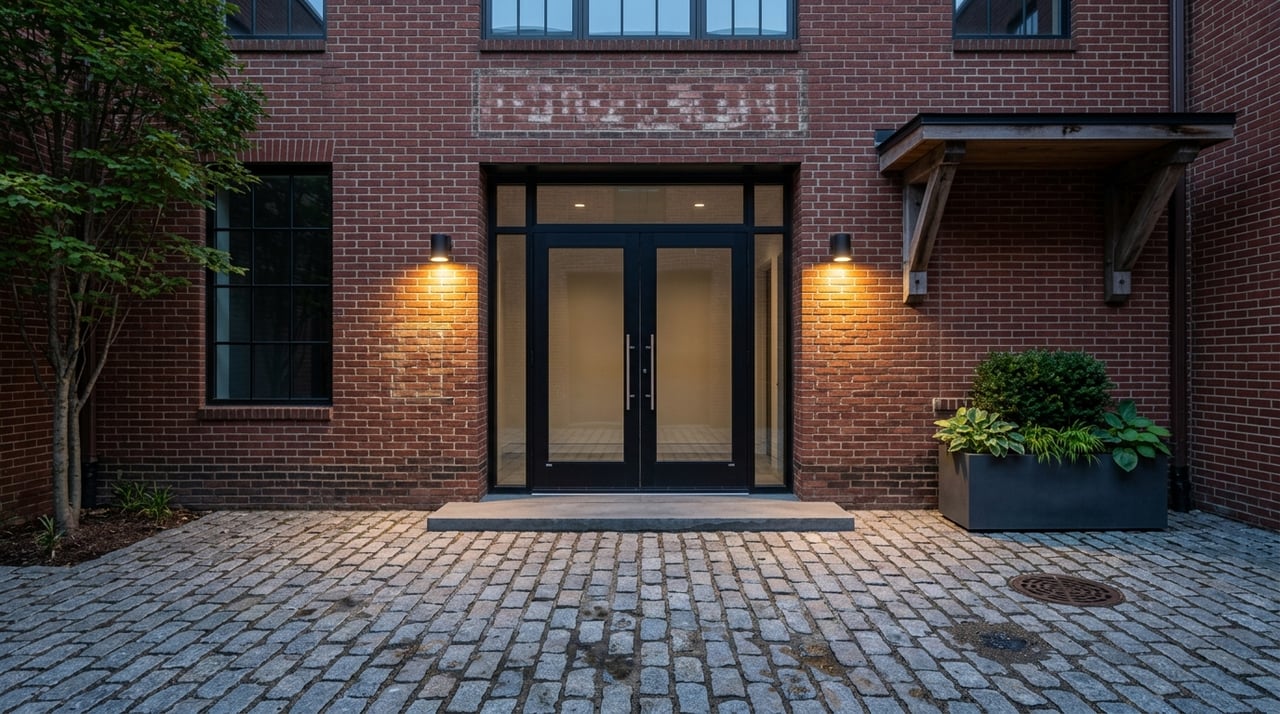
The South End is not only one housing type. Boston Planning says residents live in a mix of historic brick town homes and publicly funded housing, and the neighborhood also includes newer residential and mixed-use conversion activity within the historic setting.
For buyers, that means the South End offers more variety than the postcard image suggests. You may find classic townhome living, condo-style options within historic buildings, and homes shaped by newer conversion projects. If you are trying to match lifestyle goals with budget, that range can make the neighborhood worth a closer look.
What daily life feels like
The South End has a strong local rhythm. It is busy enough to feel connected, but many blocks still feel residential and walkable. That balance is a big part of its appeal for buyers who want access to restaurants, culture, and transit without giving up a true neighborhood feel.
The city points to several core corridors that help define daily life here. Tremont Street is known as Restaurant Row, while Shawmut Avenue is lined with boutiques and restaurants. Boston Planning also highlights restaurants, bars, galleries, and boutiques along Tremont and Washington Streets.
Arts and market culture
The arts are part of the South End’s identity, not just an occasional extra. Boston Planning identifies the Boston Center for the Arts as an anchor for the local arts scene, and the city describes the area as home to a thriving arts community.
Another well-known draw is the SoWa Open Market on Harrison Avenue, which the city says is open Sundays from 10 a.m. to 4 p.m. For many residents, this adds to the neighborhood’s everyday energy and gives the area a strong sense of place beyond the housing stock alone.
Green space in the South End
One of the South End’s biggest surprises is how much outdoor space it offers. The City of Boston says the neighborhood has nearly 30 parks, which is a meaningful advantage in a central Boston location.
That park network helps soften the neighborhood’s dense urban grid. Instead of feeling like a nonstop stretch of buildings and traffic, many parts of the South End are broken up by squares, playgrounds, and community green space.
Notable parks and outdoor spots
The city’s South End resources highlight neighborhood spaces such as:
- Blackstone Square
- Franklin Square
- Peters Park
- Titus Sparrow Park
- O’Day Playground
- Harriet Tubman Square
Peters Park is specifically described by the city as a neighborhood park that provides many recreational opportunities. The city also notes recent upgrades to Titus Sparrow Park and O’Day Playground, including improvements such as new play equipment, lighting, and drainage.
Community gardens add another layer
The South End also benefits from a strong community-garden network. Boston’s community garden directory includes Berkeley Community Garden on Tremont Street with 158 plots, along with South End and Southwest Corridor gardens such as Blackwood/Claremont, Braddock Park, and Follen.
That matters because it adds everyday greenery in a way that feels integrated into neighborhood life. For buyers comparing central Boston areas, these gardens can make the South End feel more open and grounded than they expected.
The Southwest Corridor connection
Another major outdoor asset is the Southwest Corridor, which Boston identifies as a 4.7-mile linear park connecting Jamaica Plain, Roxbury, and Downtown Boston. This helps explain why the South End can feel especially connected for walking, outdoor time, and neighborhood movement.
It also reinforces the area’s mix of density and breathing room. You can live in a central urban neighborhood and still have meaningful access to green corridors and recreational space close by.
Location and access
Location is one of the South End’s strongest selling points. The City of Boston states that the neighborhood is minutes from Downtown and Back Bay, which gives residents relatively easy access to major job centers, shopping, and transportation connections.
Transit also shapes the neighborhood’s feel. Boston Planning notes that the Southwest Corridor Path runs over the depressed Orange Line train, supporting the area’s transit-oriented character.
Access for medical-area professionals
For people who work in healthcare or want to be close to major medical campuses, the South End has an obvious advantage. Boston University says the BU Medical Campus is in the South End at the corner of East Newton and Albany, and Boston Medical Center states that its main hospital campus is in Boston’s Historic South End.
Nearby access also extends beyond the neighborhood borders. Tufts Medical Center notes its main entrance is directly across from the Orange Line at 800 Washington Street and within walking distance of South Station, which adds another layer of convenience for people navigating central Boston.
Who the South End may appeal to
The South End can appeal to a wide range of buyers because it blends historic character with practical city living. If you value architecture, walkability, local dining, and outdoor space, it checks a lot of boxes.
It can be especially appealing if you want:
- Historic brick rowhouse character
- Condo and townhome options in a central location
- Strong restaurant and arts energy
- More parks and gardens than many central neighborhoods offer
- Convenient access to Downtown, Back Bay, and major medical centers
As Boston Planning describes it, the neighborhood is home to young families, professionals, immigrants, and Boston’s gay community. That points to a place with a broad community presence and a lived-in, day-to-day neighborhood identity.
What to keep in mind as a buyer
If you are exploring the South End, it helps to think beyond the headline appeal. The architecture and location may be what first catch your eye, but your best fit often comes down to block-by-block feel, housing type, and how you want to use the neighborhood day to day.
For example, some buyers prioritize being close to restaurant corridors, while others care more about nearby parks, access to the medical area, or a quieter residential street. In a neighborhood with as much visual consistency as the South End, the details of layout, building type, and location within the neighborhood can make a big difference.
If you are thinking about buying or selling in the South End or another nearby Boston neighborhood, working with someone who understands how lifestyle, housing stock, and location intersect can make the process much clearer. Marcella Sliney offers practical, local guidance to help you evaluate your options and move forward with confidence.
FAQs
What types of homes are common in Boston’s South End?
- The South End is best known for historic Victorian red-brick rowhouses and brownstones, but the housing mix also includes condo-style living, publicly funded housing, and some newer residential or mixed-use conversions.
How much green space does the South End have?
- According to the City of Boston, the South End has nearly 30 parks, along with community gardens and access to the Southwest Corridor linear park.
What is the South End known for in Boston?
- The neighborhood is known for its Victorian architecture, restaurant scene, arts presence, local boutiques, open markets, and central location near Downtown and Back Bay.
Is Boston’s South End convenient for commuting?
- Yes. The City of Boston describes the South End as minutes from Downtown and Back Bay, and Boston Planning highlights the neighborhood’s transit-oriented character tied to the Orange Line and Southwest Corridor Path.
Is the South End close to Boston medical centers?
- Yes. Boston Medical Center’s main campus is in the South End, and Boston University identifies its Medical Campus as being in the neighborhood, with Tufts Medical Center also nearby in downtown Boston.