Trying to choose between South Boston Waterfront and South Boston? You are not alone. These two areas are often talked about together, but they can feel very different when you start thinking about your day-to-day life, your housing options, and what kind of neighborhood experience you want. If you are deciding where to buy, rent, or sell, this guide will help you compare the basics and see which area may fit your goals more naturally. Let’s dive in.
South Boston Waterfront vs. South Boston
At a high level, South Boston Waterfront is the newer district just southeast of Downtown, across Fort Point Channel, while South Boston is the broader historic peninsula neighborhood south of Downtown. Boston Planning often discusses them together, but it also shows them as distinct subareas with different patterns of growth and development.
That difference has become even more noticeable over time. According to Boston Planning’s South Boston Waterfront overview, the waterfront saw population growth of 195% and housing-unit growth of 327% from 2010 to 2020. In practical terms, that means you are looking at one area that has changed rapidly and one that has a longer-established residential identity.
Housing Options and Neighborhood Form
South Boston Waterfront housing
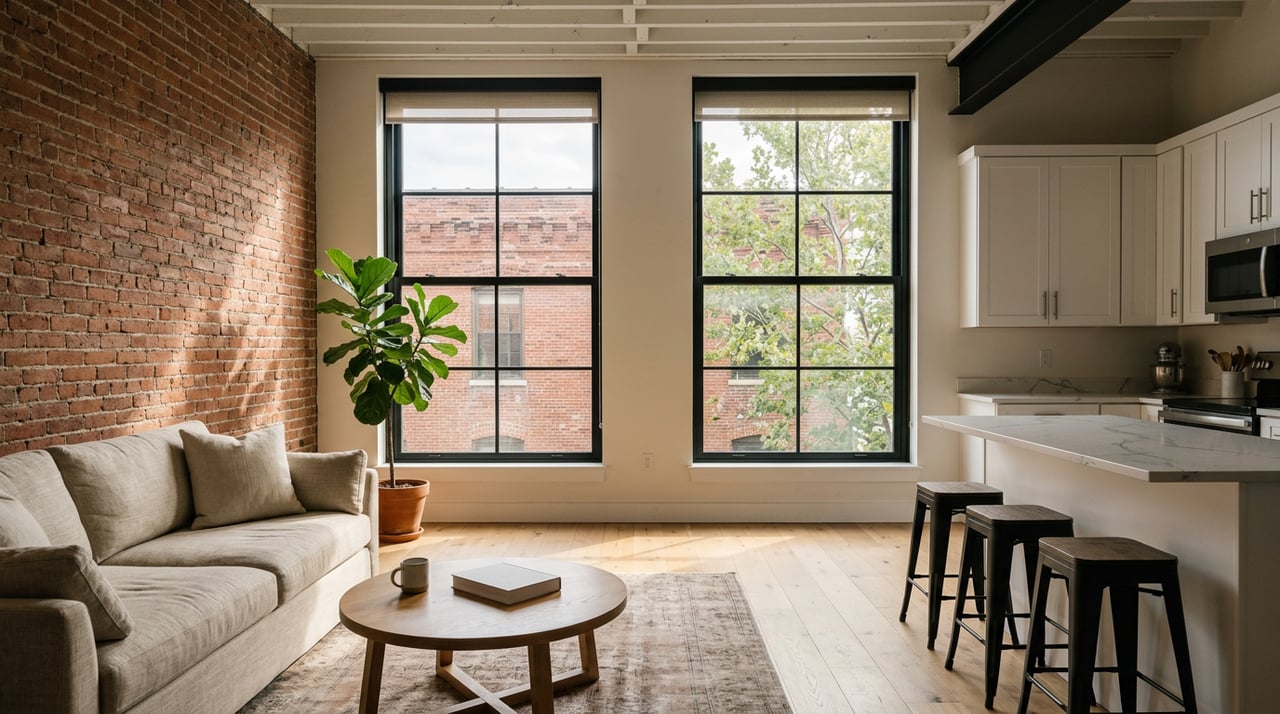
If you are drawn to newer buildings, the waterfront may stand out right away. Boston Planning describes the area as having recent apartment construction, condo options, micro-units, and loft-style living in former warehouse buildings in Fort Point.
The city’s housing data also points to a market with a strong rental presence. Boston Planning reports 5,614 total housing units, with 4,682 occupied units, 23.8% owner-occupied housing, and 63.5% renter-occupied housing in the waterfront area. That makes it a useful fit to consider if you want a denser, newer housing environment with a larger share of rental and condo-style living.
South Boston housing
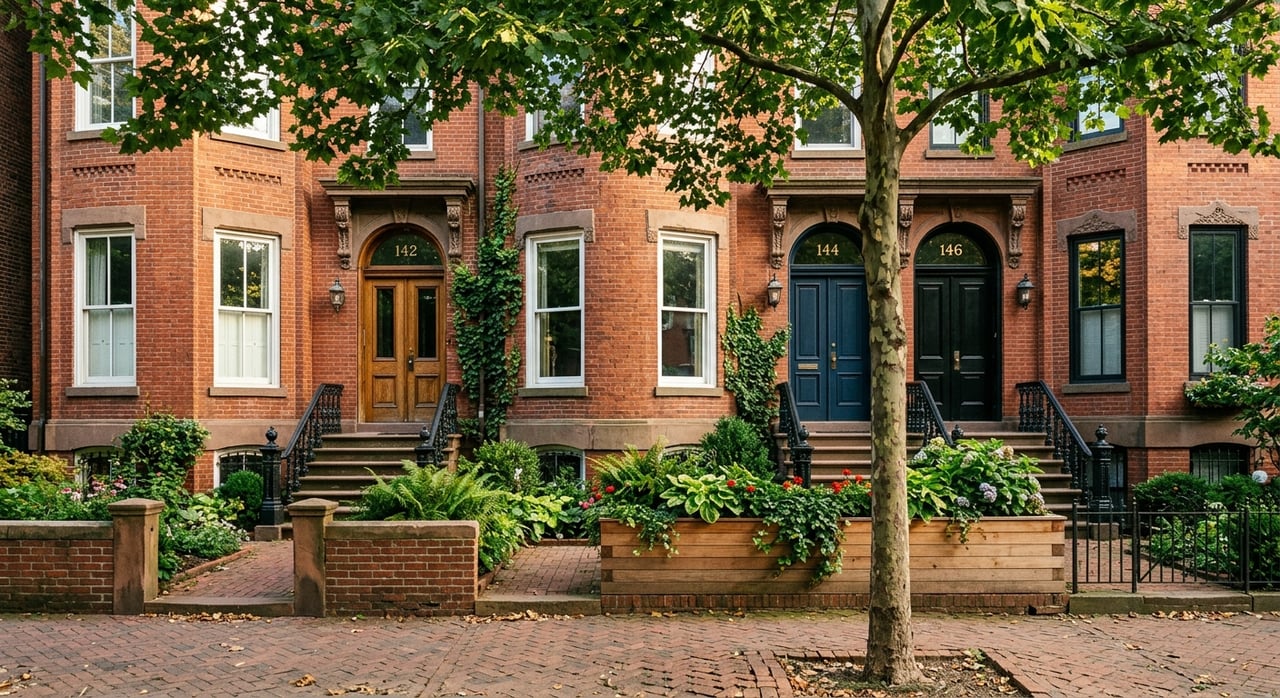
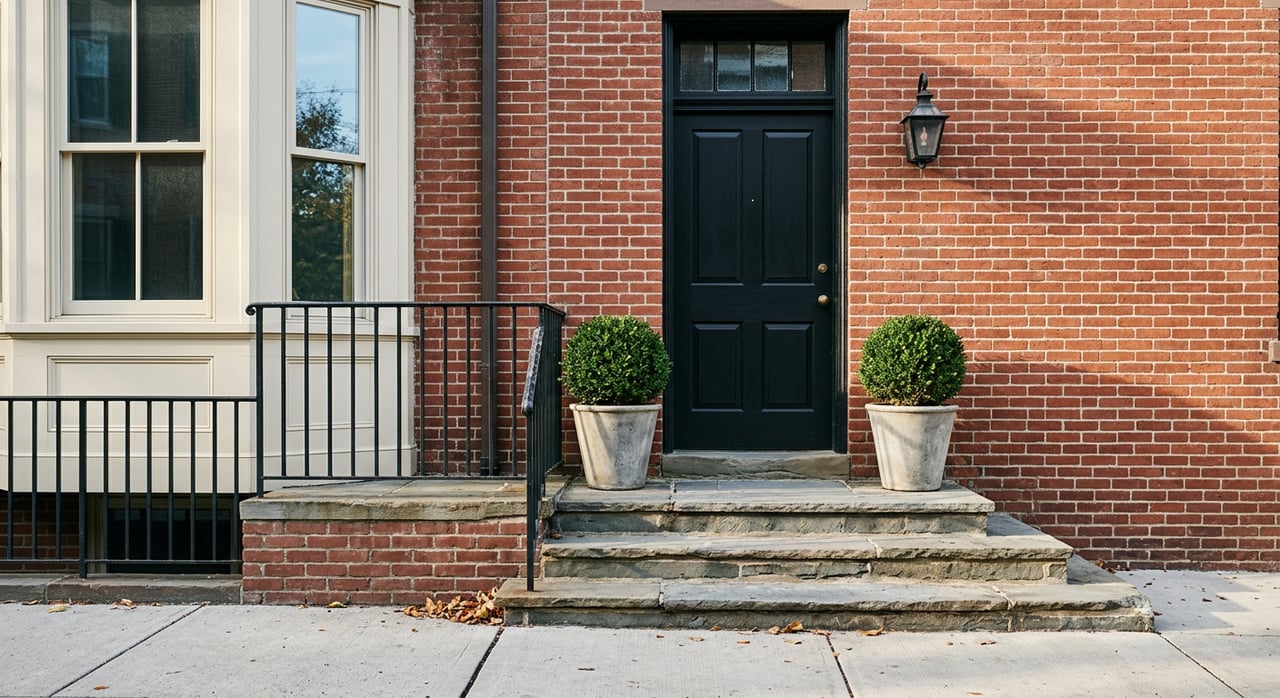
South Boston offers a more established residential pattern. A recent BPDA zoning memo describes the neighborhood’s housing fabric as a mix of triple-deckers, two-family conversions, row houses, small lots, and detached homes.
The housing numbers also look different here. City data shows 20,251 total units, with 18,854 occupied units, 46.0% owner-occupied housing, and 50.2% renter-occupied housing. Compared with the waterfront, South Boston has a larger ownership share and a more traditional neighborhood housing mix.
What this means for you
If you want a modern building, newer condo inventory, or a loft-style space, South Boston Waterfront may feel like the more natural fit. If you are looking for a more classic Boston residential setting with a wider ownership presence, South Boston may align better with what you have in mind.
For buyers, this can shape everything from building style to resale appeal. For sellers, it can also affect how a property should be positioned based on the expectations buyers bring to each area.
Getting Around Each Area
South Boston Waterfront transit access
The waterfront is well connected if you want access to major destinations. According to Boston Planning, the area has strong access to I-90, the Silver Line, and MBTA buses, and Logan Airport and South Station are each one Silver Line stop away in opposite directions.
The city has also added pedestrian wayfinding signs to help make walking easier and more intuitive. That supports the waterfront’s pattern of destination-based living, where you may move between work, dining, events, and the harborfront on foot or by transit.
South Boston transit access
South Boston is also transit-connected, but the layout and transportation focus feel different. The city’s South Boston Transportation Action Plan includes improvements such as better headhouses at Broadway and Andrew Stations, new bus connections on D Street, and broader work around walkability, biking, and transit access.
Boston Planning’s transportation materials show a neighborhood where mobility is shaped more by the Red Line, local buses, and street-by-street improvements. If your routine centers on neighborhood errands, local commuting, and broader residential circulation, that setup may feel more familiar and flexible.
Which is better for a car-light lifestyle?
Both areas can support a car-light routine, but they do it in different ways. The waterfront leans more on Silver Line access and walkable destination clusters. South Boston leans more on the Red Line, neighborhood buses, and corridor-based improvements.
If you already know how you like to move through the city, this can be one of the clearest decision points.
Parks, Waterfront Access, and Outdoor Time
South Boston Waterfront outdoor spaces
If being near the harbor is a top priority, the waterfront has a lot to offer. The Harborwalk is a continuous public waterfront walkway that connects recreation, history, culture, and transit access as part of a 45-mile waterfront path network.
The area also includes Martin’s Park at 64 Sleeper Street, which the city describes as a climate-resilient, inclusive park on the South Boston waterfront. For many people, the appeal here is less about large neighborhood park systems and more about direct access to the harbor edge and an easy outdoor stroll built into everyday life.
South Boston outdoor spaces
South Boston has a broader neighborhood park and beach network. According to Boston Planning’s South Boston neighborhood page, the area includes Carson Beach, L Street Beach, Pleasure Bay, and the Strandway.
The city also lists Moakley Park, Medal of Honor Park, Flaherty Park, A Street Park, and Sweeney Playground in South Boston. Boston notes that Moakley Park is being redesigned as a climate-resilient green space and is the city’s largest waterfront park. If you want more variety in outdoor spaces, especially beaches and larger neighborhood parks, South Boston may offer a broader mix.
Daily Feel and Neighborhood Identity
South Boston Waterfront feel
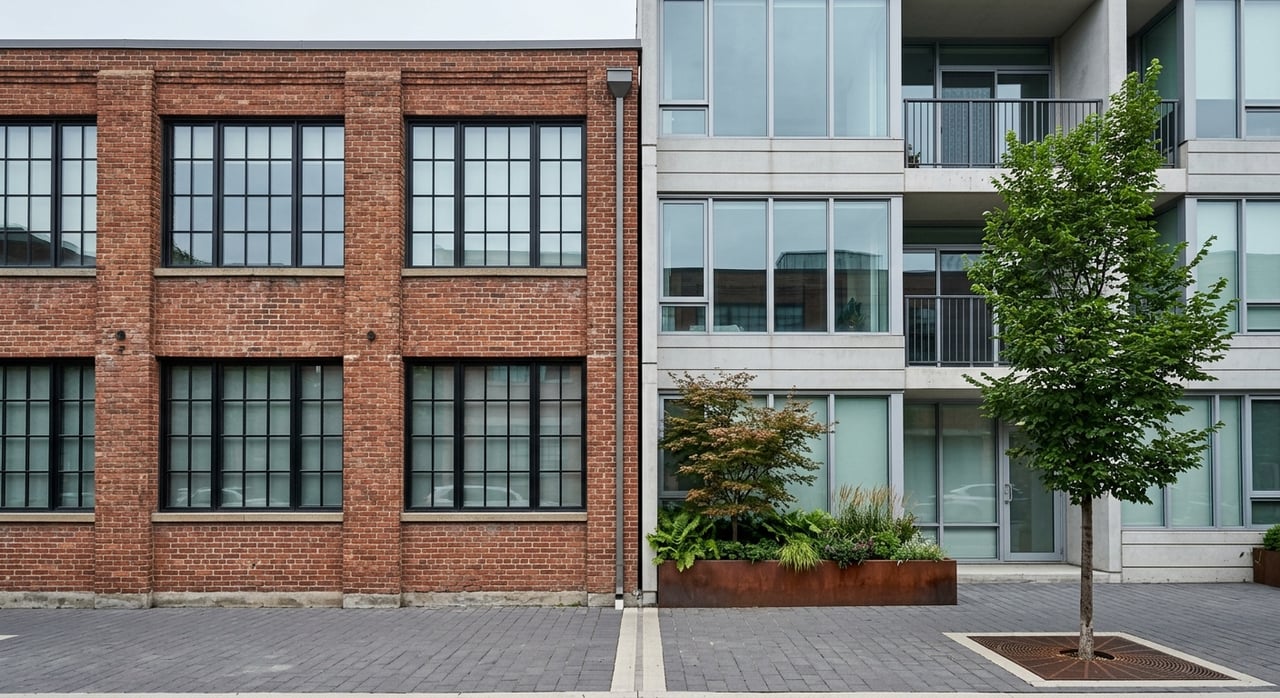
Boston Planning characterizes the waterfront as a redevelopment district that has transformed from warehouses and industrial uses into a creative, tech, and residential hub. It is also shaped by cultural institutions, convention activity, hotels, pop-up retail, and event-driven foot traffic.
That means the area can feel active, polished, and destination-oriented. If you like newer surroundings, harborfront energy, and a neighborhood that feels tied to work, events, and city activity, the waterfront may check a lot of boxes.
South Boston feel
South Boston has a more established neighborhood identity. Boston Planning describes it as home to long-time residents and young professionals, with open space, downtown access, emerging nightlife, and a main commercial district centered on East and West Broadway.
That gives South Boston a different rhythm. It often feels more residential and more rooted in a neighborhood main street pattern rather than a newer redevelopment district.
Which Area Fits Your Goals?
Choosing between these two areas usually comes down to what kind of environment feels right to you.
You may lean toward South Boston Waterfront if you want:
- Newer construction or newer-style condo living
- Loft-style spaces in former warehouse buildings
- A more rental-heavy market
- Harborfront access and promenade-style outdoor space
- Silver Line access and easy connections to major destinations
- A more modern, visitor-friendly setting
You may lean toward South Boston if you want:
- A more traditional Boston residential neighborhood
- Housing types like triple-deckers, row houses, and two-family conversions
- A larger share of owner-occupied housing
- Beach access and a wider range of neighborhood parks
- Red Line access and local bus connections
- A stronger main street neighborhood feel
Neither area is better across the board. The better fit depends on how you want to live, what type of property you want, and what matters most in your routine.
A Smart Way to Compare in Person
Online research helps, but seeing both areas in person is often what makes the difference clear. The streetscape, building style, pace, and outdoor spaces can all feel very different once you walk them.
If you are buying, it helps to compare not just price points, but also building type, transit patterns, and how each area supports your daily routine. If you are selling, understanding how buyers see the differences between South Boston Waterfront and South Boston can shape stronger pricing and positioning from the start.
As someone who has spent more than 25 years in South Boston and helped clients navigate this market for more than 19 years, I know how important those small street-level differences can be. If you are weighing your next move in South Boston or the waterfront, Marcella Sliney can help you compare your options clearly and move forward with confidence.
FAQs
Is South Boston Waterfront the same as South Boston?
- No. Boston Planning treats South Boston Waterfront as the newer district around areas like Fort Point, Fan Pier, the World Trade Center, and Raymond L. Flynn Marine Park, while South Boston is the broader historic peninsula neighborhood.
Is South Boston Waterfront or South Boston better for newer housing?
- South Boston Waterfront is generally the better fit if you want newer apartment and condo construction, micro-units, or loft-style living in converted warehouse buildings.
Is South Boston Waterfront or South Boston better for a more established neighborhood feel?
- South Boston is generally the more established residential area, with a longer-standing neighborhood identity and a housing mix that includes triple-deckers, row houses, and two-family conversions.
Is South Boston Waterfront or South Boston easier for transit?
- Both are transit-connected, but South Boston Waterfront is more tied to the Silver Line and major destinations, while South Boston is more connected to the Red Line, buses, and neighborhood-scale transportation improvements.
Is South Boston Waterfront or South Boston better for outdoor access?
- It depends on what you want. South Boston Waterfront stands out for Harborwalk and harborfront access, while South Boston offers beaches like Carson Beach and Pleasure Bay plus a broader park network.
Should buyers compare South Boston Waterfront and South Boston before making an offer?
- Yes. Comparing the two areas can help you line up your budget, property type, commute, and lifestyle priorities before you focus on a specific home.