Buying a condo in the South End can feel exciting and a little overwhelming at the same time. You may fall in love with a beautiful brownstone, a newer luxury building, or a top-floor unit with outdoor space, but the real questions often start after the showing. If you want to buy with fewer surprises, it helps to know what to look for beyond the finishes and floor plan. Let’s dive in.
South End condos are not one-size-fits-all
The South End is one of Boston’s most distinctive residential areas. According to Boston Planning & Development Agency neighborhood information, it is the city’s largest Victorian residential district, and today’s condo market includes about 144 condos for sale, with a median listing price of $1.2M and a median 28 days on market.
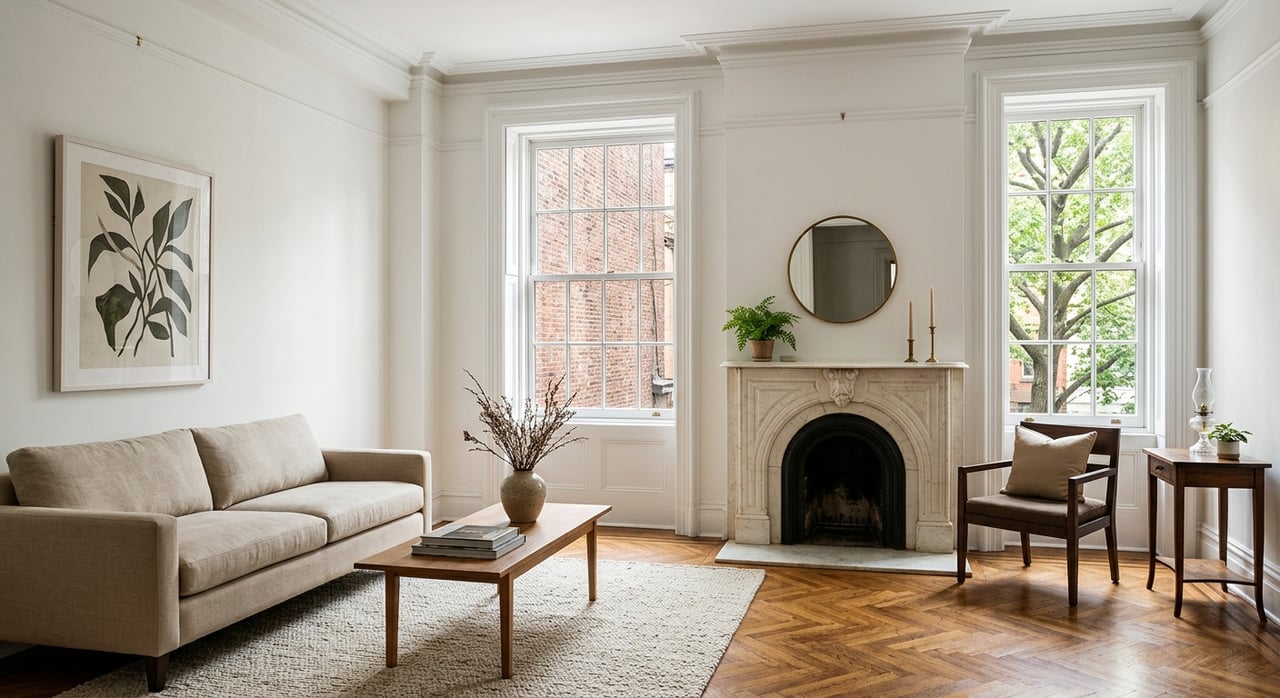
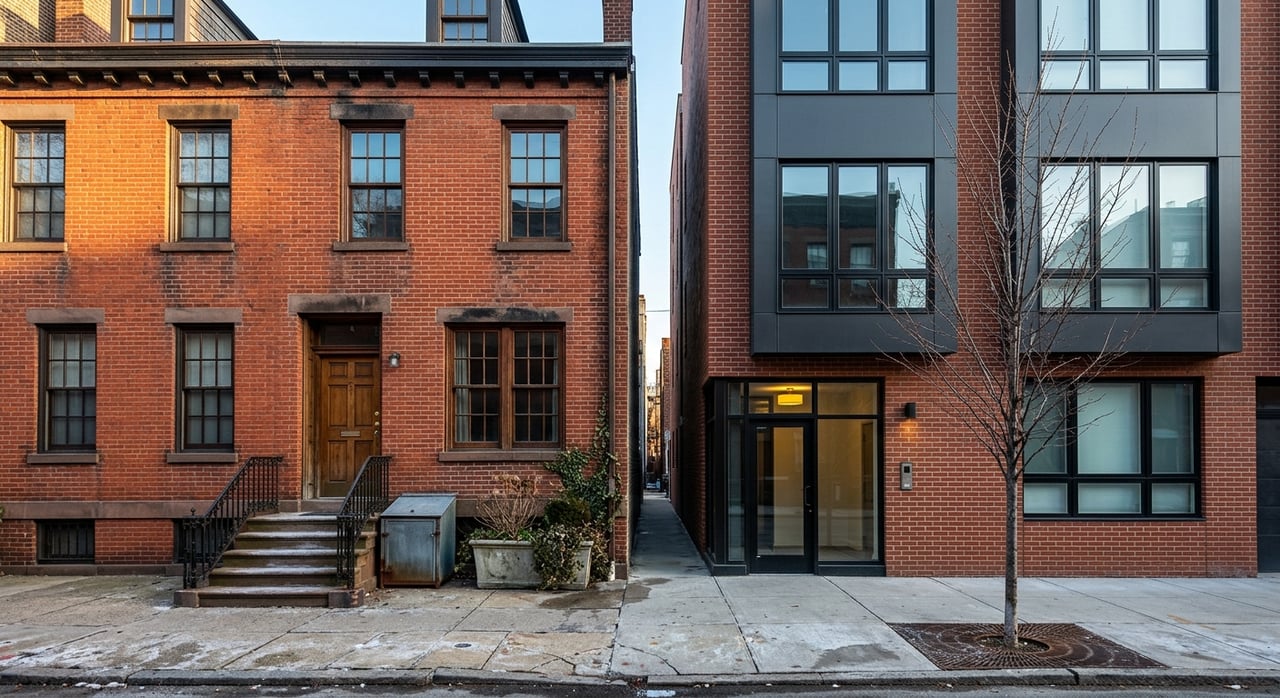
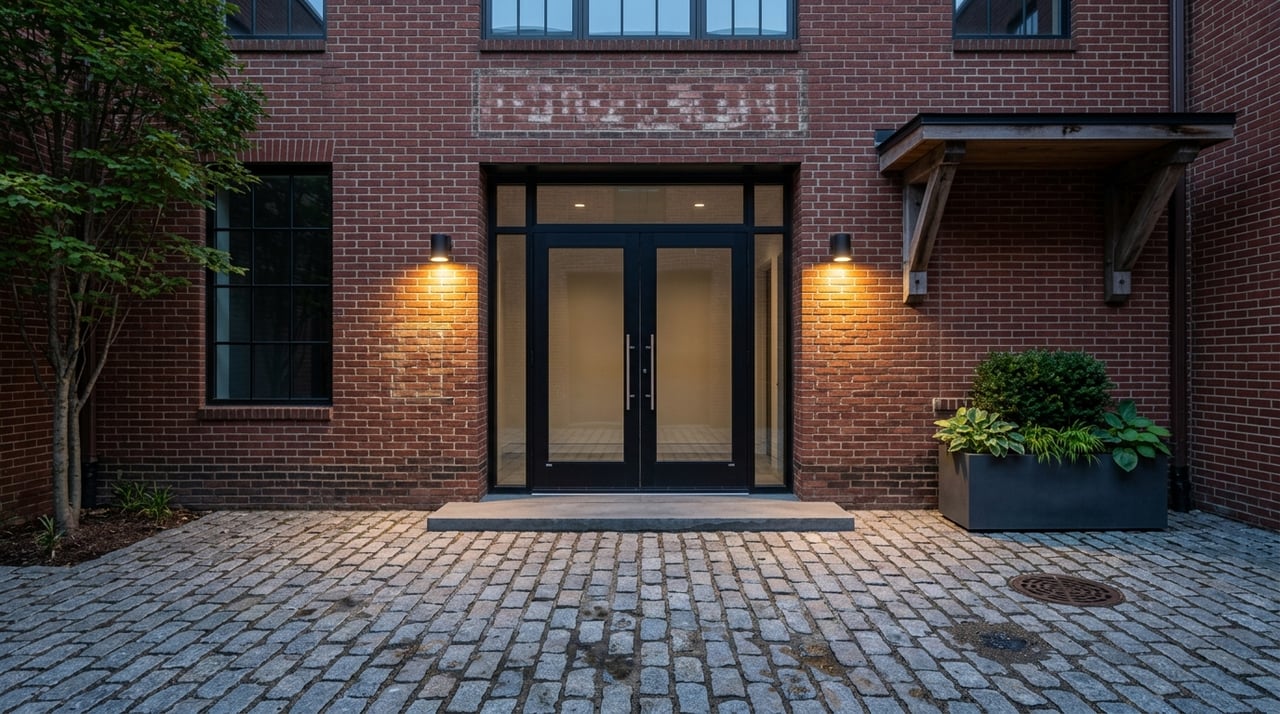
That matters because you are shopping in a market with a wide mix of building styles, ages, and price points. In one search, you might see a unit in a 19th-century rowhouse, a converted church, or a newer building with modern amenities. Even condos that look similar online can function very differently in real life.
Building age affects ownership experience
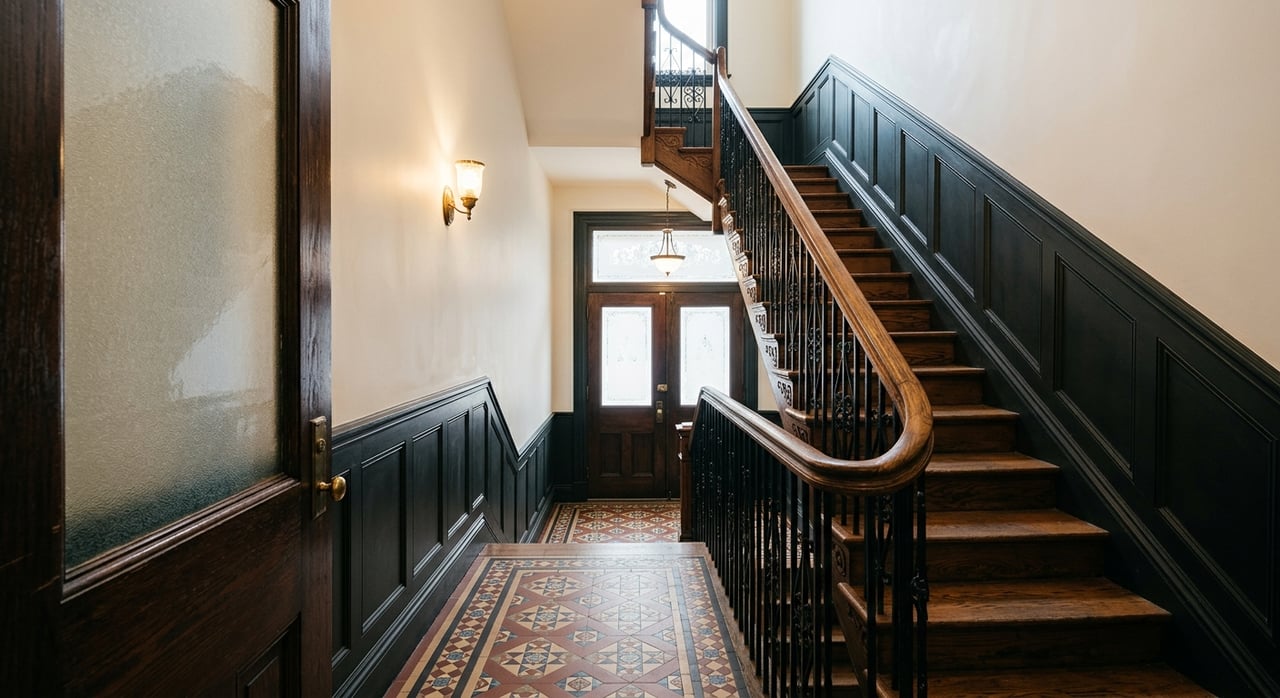
A big part of buying in the South End is understanding the building itself. The neighborhood began developing around 1850 after marshland was filled, and the South End Landmark District was designated in 1983.
Because of that history, South End condos can be found in older brownstones, rowhouses, renovated institutional buildings, and newer construction. Current examples in the area include buildings from 1890, 1900, 1910, 2002, and 2020, based on South End neighborhood data.
Why older and newer condos differ
Building age can affect layout, ceiling height, insulation, renovation quality, and mechanical systems. An older parlor-level condo may offer character and original detail, while a newer unit may offer more contemporary systems and a different monthly fee structure.
This does not mean one type is better than another. It means you should compare each property based on how the building is maintained, what has been updated, and what future work may be coming.
Condo documents matter as much as the unit
In Massachusetts, condos are privately owned and governed by the master deed, bylaws, deed, and Chapter 183A condo law guidance from Mass.gov. The state also notes that condo-law questions are legal in nature, so buyers should consult a real estate attorney with condo experience.
For many buyers, this is where condo ownership becomes more complex than expected. You are not only buying your unit. You are also buying into a shared ownership structure with rules, financial obligations, and common-area responsibilities.
What to review before you buy
Massachusetts due diligence guidance specifically points buyers toward key condo materials. Before you move forward, ask to review:
- Master deed
- Bylaws
- Rules and regulations
- Current budget
- Reserve study
- Meeting minutes
- Special assessment history
- Pending litigation information
- Owner-occupancy data
These items are specifically identified in Mass.gov due diligence guidance for residential transactions.
What these documents can tell you
The paperwork often answers the questions that photos cannot. It can tell you whether outdoor space is truly exclusive to your unit, whether parking is deeded or simply assigned, and whether the association has a healthy reserve fund or may need future assessments.
Massachusetts also notes that most condos are structured as trusts with trustees, though some are incorporated. The state’s condo ownership overview explains that the master deed identifies land, common areas, limited common elements, percentage interests, use restrictions, and the managing entity.
Condo fees can vary more than buyers expect
One of the biggest surprises for condo buyers is how different monthly fees can be from one building to the next. A recent Boston Globe report citing LendingTree noted a Boston median monthly condo fee of $386, while fees in luxury buildings can rise above $1,000.
South End examples show a similarly wide range. Listing snapshots reviewed in the research ranged from about $107 per month to $1,073 per month.
Why one building has a low fee and another does not
A lower fee is not automatically better. In some cases, a lower monthly fee may reflect fewer services or lower reserve contributions. In other cases, a higher fee may include utilities, building services, storage, or stronger reserve funding.
For example, one Worcester Square condo listing includes gas, water, sewer, insurance, snow removal, grounds maintenance, structural maintenance, and reserve funds. That is very different from a smaller association where owners may cover more costs separately.
Questions to ask about condo fees
When you review a South End condo, ask:
- What exactly is included in the monthly fee?
- Has the fee increased recently?
- Are reserves adequately funded?
- Has the association had special assessments?
- Are major repairs expected soon?
This is where careful review matters. A condo with a modest fee can still become more expensive if deferred maintenance leads to future assessments.
Parking and outdoor space need extra scrutiny
In the South End, parking and outdoor space can add major value, but they should never be assumed. Marketing language can sound clear at first glance, yet the details of ownership and use rights still need to be verified.
Current listings show that parking may be deeded, included, or sold separately. For example, the 12 Worcester Square listing includes a deeded parking space, while other South End offerings may handle parking differently.
Understand Boston resident parking too
Street parking is separate from condo ownership. The City of Boston offers resident parking permits, which provide preferential access to posted residential areas, but signs and restrictions still control how and when parking is allowed.
South End residents may also have access to discounted snow-emergency parking at nearby garages, including Christian Science Plaza and Prudential Center, according to the same city resource. If parking is a major part of your decision, you want to confirm both the private parking rights and the practical street-parking options.
Outdoor space may come with limits
Outdoor space also varies widely across South End condos. Current listings show private decks, private patios, private roof decks, and common roof decks, but those features should be checked carefully against the condo documents.
That is especially important in a historic area. In the South End Landmark District, certain exterior work on front facades, visible rooftops, and some side or rear elevations facing a public way may require review. So if a roof deck or exterior improvement is important to you, make sure the legal rights and any approvals are clear.
A condo inspection is still important
Some buyers assume a condo inspection matters less than a single-family inspection. In Massachusetts, that is not the case. The state now requires a written disclosure affirming your right to a home inspection before or at the first purchase contract, and condos are included under Mass.gov home inspection guidance.
Even if the association handles common areas, you should still hire a licensed inspector. An inspection can help you better understand the unit’s condition and identify issues that may affect your budget or negotiations.
What to focus on before making an offer
In a neighborhood like the South End, the key question is not just whether you like the condo. It is whether the building, documents, and ownership structure support the lifestyle and budget you have in mind.
Before you make an offer, focus on these items:
- Building age and renovation history
- Condo association structure
- Monthly fee amount and what it covers
- Reserve funding and assessment history
- Parking rights
- Outdoor-space rights
- Landmark or exterior review constraints
- Inspection findings
When you buy in a high-price, relatively competitive market, that extra work can make a big difference in how confident you feel moving forward.
Why local guidance helps in the South End
South End condos often require careful interpretation, not just quick comparison. Two units with similar pricing can have very different ownership rights, fee structures, or future maintenance exposure.
That is where local guidance can help you stay grounded. A practical, responsive process can help you sort through the details, ask better questions, and avoid making a decision based only on finishes or staging.
If you are thinking about buying in the South End and want clear, hands-on guidance through the condo search and due diligence process, connect with Marcella Sliney. You will get straightforward insight, local perspective, and support every step of the way.
FAQs
What should you review before buying a South End condo?
- You should review the master deed, bylaws, rules and regulations, budget, reserve study, meeting minutes, special assessment history, litigation information, and owner-occupancy data.
Why do South End condo fees vary so much?
- Fees vary because buildings differ in age, services, reserve funding, utilities included, maintenance responsibilities, and amenity levels.
Does a South End condo always include parking?
- No. Parking may be deeded, assigned, sold separately, or not included at all, so you should verify the exact parking rights in the documents.
Are roof decks and patios always privately owned in South End condos?
- No. Outdoor space may be private, limited common, or shared common space, so you should confirm the legal use rights in the condo documents.
Do you still need a home inspection for a South End condo?
- Yes. Massachusetts affirms a buyer’s right to a home inspection for condos, and hiring a licensed inspector is still an important part of due diligence.
Can historic district rules affect a South End condo purchase?
- Yes. In the South End Landmark District, certain exterior changes may require review, especially on visible rooftops, facades, and some side or rear elevations facing a public way.